
Component family
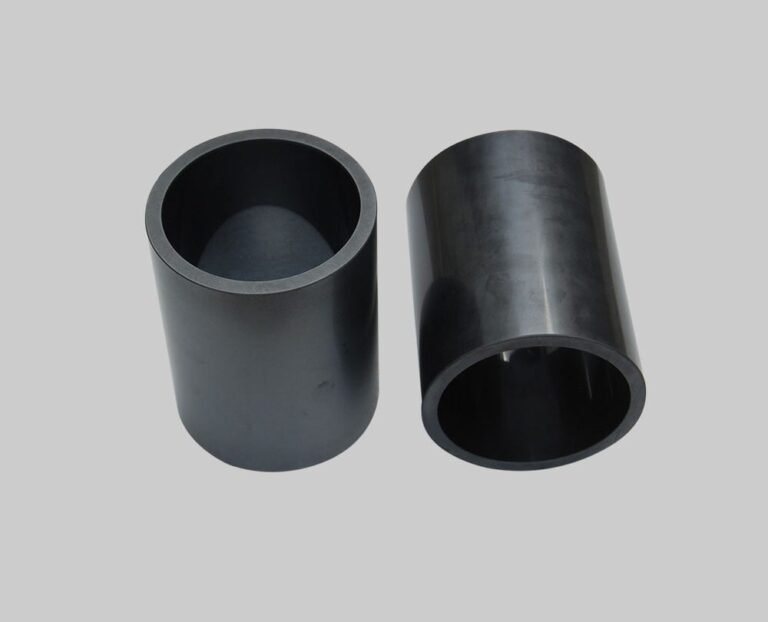
Ceramic Rings and Seal Rings
Seal rings and mating rings in technical ceramic, machined for flatness, surface finish and face parallelism where a metal seal face would wear or corrode.
- Lapped sealing faces
- Matched ring pairs
- Ground OD and bore
- Grooves and drive slots
A ceramic seal ring is the rigid face of a mechanical seal, machined from sintered technical ceramic and finished by lapping. In service it runs against a mating face under load, in the medium the pump or valve handles. Ceramic is chosen for this duty because a lapped ceramic face holds its flatness and finish in abrasive, corrosive or hot media where a softer metal face would degrade. The engineering content of the part sits in three places: the flatness and finish of the sealing band, the parallelism of the faces, and the concentricity of the bore.
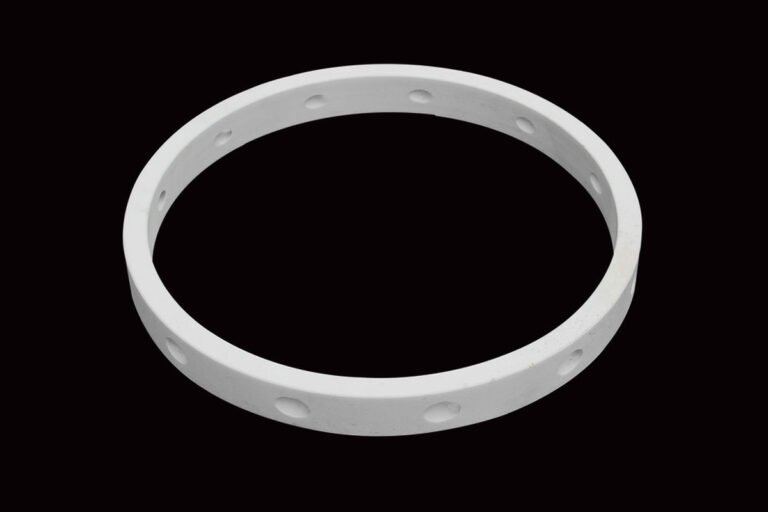
Machined seal rings and mating rings in alumina, zirconia, silicon carbide and silicon nitride — finished by grinding and lapping to the drawing.
Critical features
What this geometry is judged on
Each row ties one feature to why it matters, where it is at risk in manufacture, and how it is verified. The confirmed figures for these features sit further down the page, tied to the feature they were measured on.
Outside diameter
Ground to the drawing, and the datum that concentricity with the bore is measured against.
Bore
Ground or lapped. On most rings this carries the tightest diameter callout on the part.
Face width and seal band
The band over which flatness and Ra are specified, not the whole face.
Section thickness
Thin sections are where face flatness is hardest to hold.
Grooves
Sealing and relief grooves, including stepped and tapered seats.
Slots, notches and drive features
Produced green where the geometry is fine, finished after firing.
Profiles
Stepped, conical and tapered outside profiles.
| Feature | Why it matters | Manufacturing risk | Inspection method |
|---|---|---|---|
| Sealing-face flatness | Sets the leak path of the ring pair | Holding flatness while the ring is unsupported and thin | CMM flatness scan over the seal band |
| Face parallelism | Keeps the pair seated under load | Keeping faces parallel when the section is narrow | CMM parallelism between opposed faces |
| Sealing-face finish | Works with flatness to set leakage | Controlling finish over the full sealing band | Stylus profilometer traces across the band |
| Bore and OD diameters | Locate the ring and set the film thickness | Edge chipping at the face during lapping | Micrometer and bore gauge, verified on the CMM |
| Bore-to-OD concentricity | Shows up as runout in the rotating assembly | Grinding both features true to one another | CMM concentricity from a single setup |
| Edge condition at the band | A chip at the band is a leak path | Avoiding edge chipping during lapping | Optical edge inspection against the agreed criterion |
Possible ceramic materials
Material options and the reason behind each
The material is chosen from the dominant requirement. Where two requirements conflict, the trade-off is explained before quoting.
General-purpose sealing in pumps and valves; good wear life at moderate cost
Alumina page →Where mechanical shock or high face load is present; high fracture toughness compared with other common engineering ceramics
Zirconia page →Severe abrasion, high temperature and chemically aggressive media
Silicon carbide page →Process routes
How these parts are actually made
The route is chosen from the geometry and the tolerance, not from the material alone. It is stated with the quotation so the price can be read against the method.
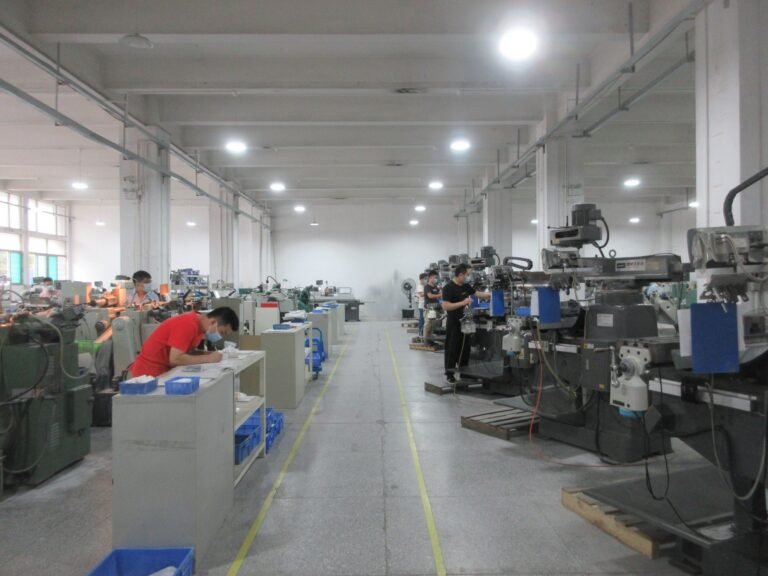
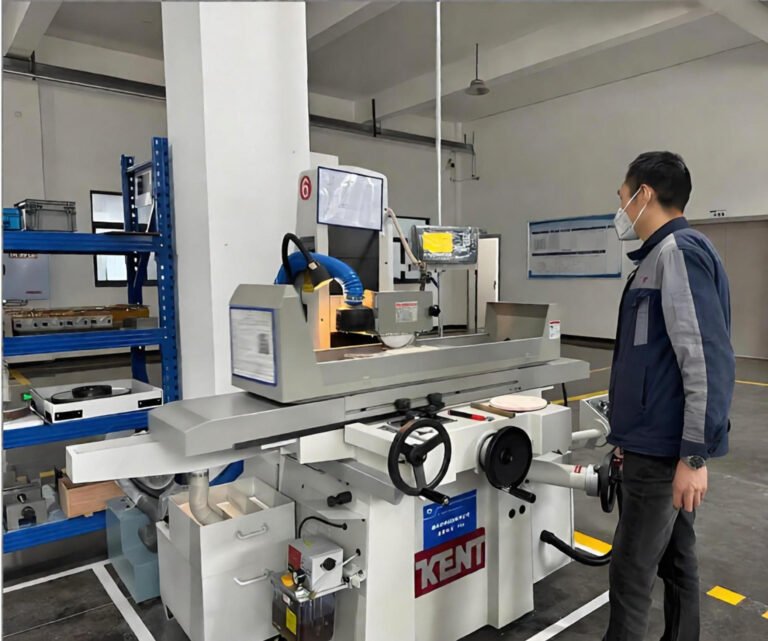
Green machining then diamond grinding
Face geometry and the seal band are established before firing and finished after it, so the flatness and finish of the sealing surface are controlled as a separate operation.
Lapping and polishing
Sealing faces are lapped to a controlled flatness and finish, which is what sets the leak rate of the ring pair.
Roundness and flatness inspection
The sealing face is measured for roundness and flatness rather than being accepted on a general dimensional check.
Where the difficulty sits
- Holding face flatness while the ring is unsupported and thin
- Avoiding edge chipping on the sealing face during lapping
- Keeping both faces parallel when the section is narrow
- Controlling surface finish over the full sealing band
- Matching a pair so both rings seat correctly
LimitBrittle material fails differently from metal. A feature that is merely difficult in steel can be impossible in ceramic, and the review states which of the two applies.
Confirmed capability
Customizable geometry and precision capability
Everything below is produced from the customer drawing. The figures are what the shop is confirmed to hold on the features this family carries, not a general tolerance for the whole part.
| Feature | Confirmed | Applies to |
|---|---|---|
| Roundness | 0.0005 mm | Ground bore and outside diameter of a ring |
| Parallelism | 0.002 mm | Opposed faces of a ring or a seal ring |
| Surface roughness | Ra 0.02 µm | Lapped and polished sealing faces |
| Minimum slot width | 0.2 mm | Drive slots and notches cut by diamond grinding |
| Hole diameter tolerance | 0.003 mm | Bores and cross holes where the drawing calls one out |
Capabilities depend on material, geometry, feature size and finishing requirements. Critical dimensions are reviewed against the drawing.
| Measurement requirement | How it is verified |
|---|---|
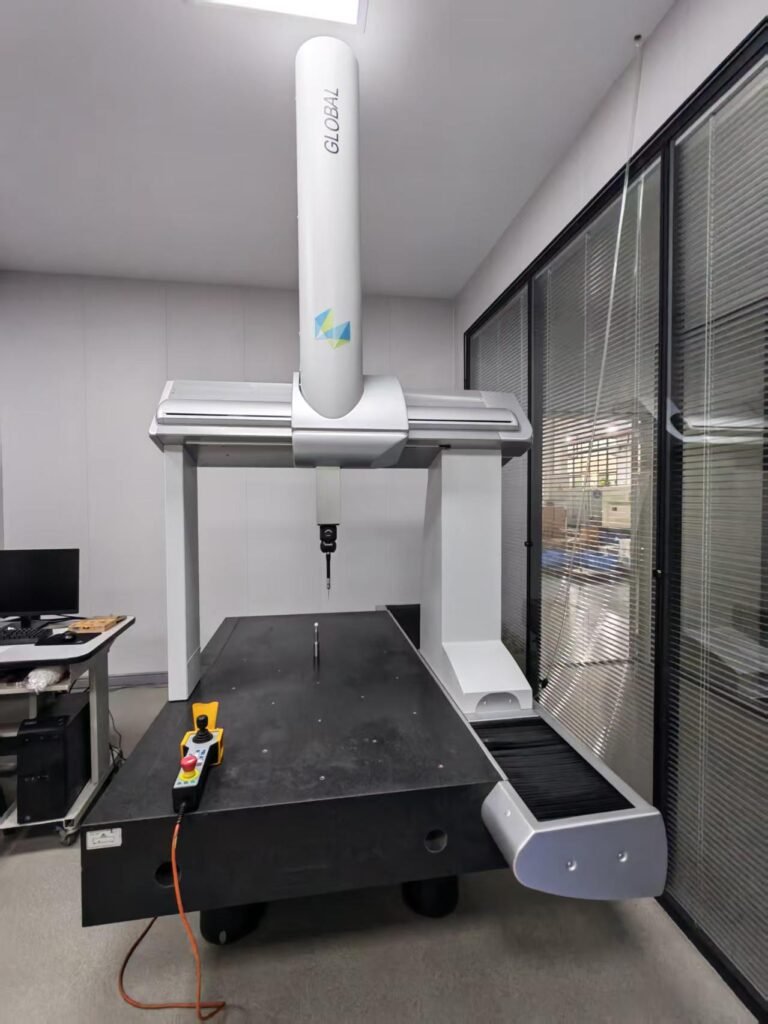
| Face flatness over the sealing band | CMM scan, dense enough to catch waviness across a narrow band |
| Face-to-face parallelism and squareness to the bore | CMM from the drawing datum face |
| Surface roughness across the sealing band | Stylus profilometer, multiple traces around the band |
| Inner and outer diameter tolerances | Micrometer and bore gauge, backed by a CMM roundness check because two-point gauges can miss lobing |
| Concentricity between bore and outside diameter | CMM in a single setup so the reference does not move |
| Edge condition at the sealing face | Optical inspection against the edge criterion agreed before machining |
Procurement risks
What goes wrong, and where it is avoided
A face specified flatter than the application needs raises cost without improving the seal; the requirement behind the callout is worth stating in the enquiry.
A ceramic-on-ceramic pair run in poor lubrication or at high face load can wear faster than a mixed pair; the counterface and the medium belong in the review.
Edge chipping at the seal band is a handling and mounting risk as much as a machining one; the mounting method should be stated.
A ring quoted without its mating pair can fail as a set even when each part passes inspection; pairs are reviewed together.
Applications
Where the family is used
Component examples only. No customer names are published.
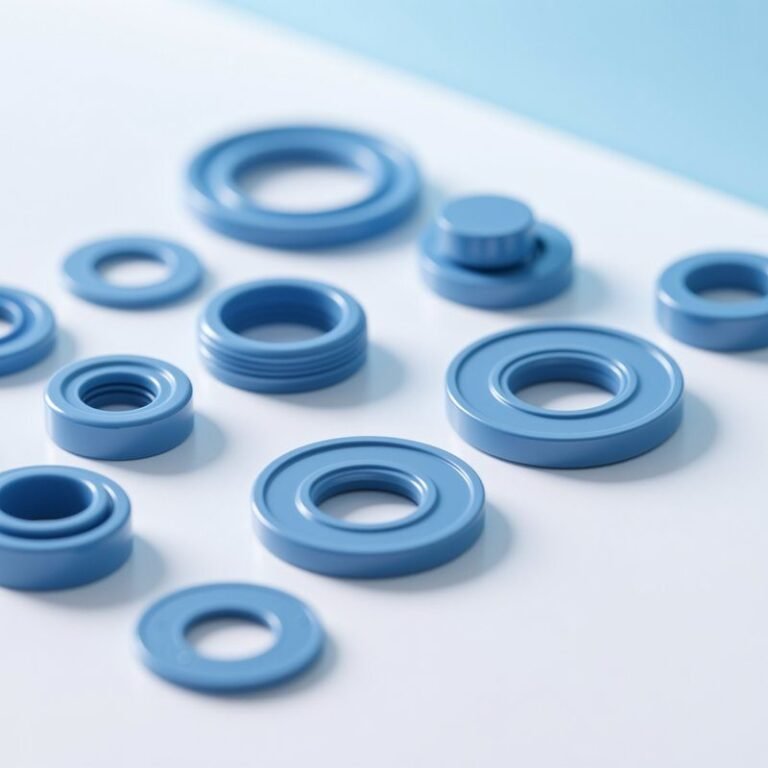
Pump and valve mechanical seals
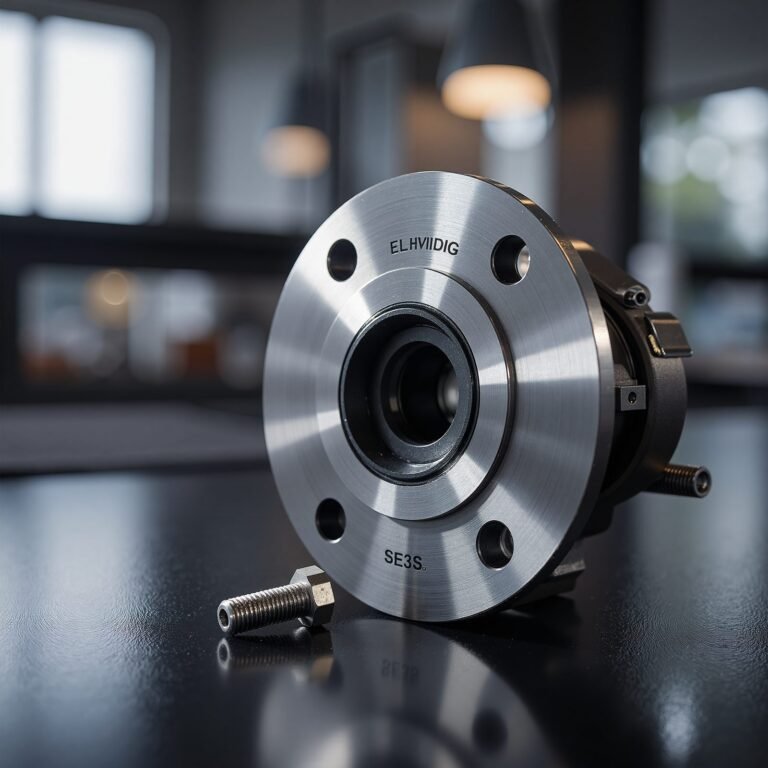
Rotary and agitator shaft seals
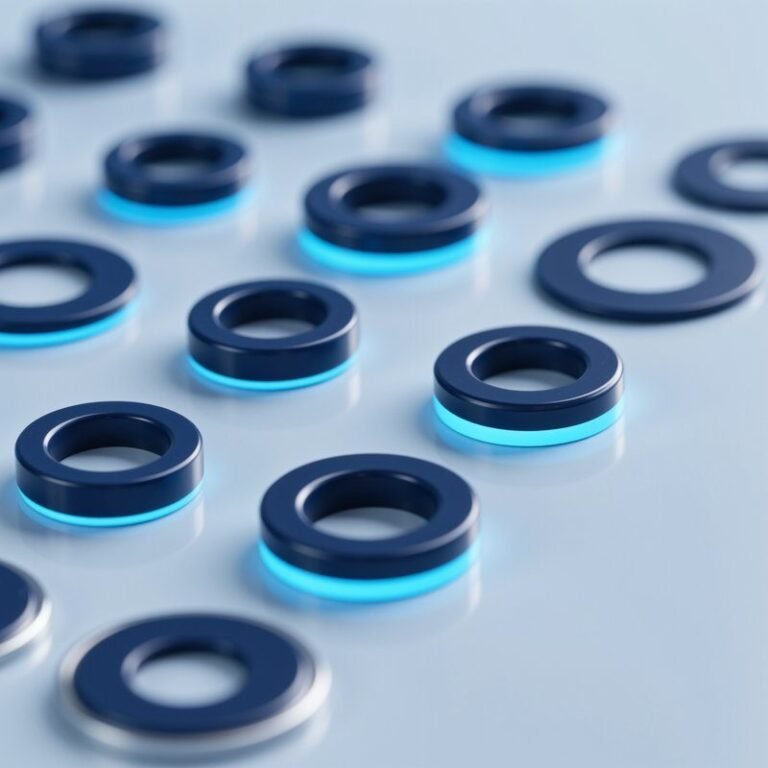
Guide and bearing rings in precision assemblies

Flow control and metering hardware
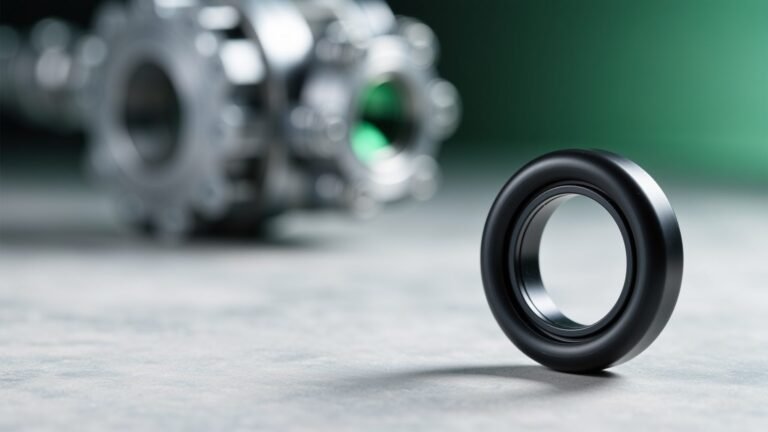
Mating and counter rings for rotating equipment
Wear rings in slurry, abrasive and erosive duty
- Mechanical seal faces in pumps, mixers and agitators
- Water and chemical process equipment
- Semiconductor and analytical equipment
- Valve seats, throttle bodies and flow-control rings
- Plunger rings and piston rings for metering pumps
Engineering FAQ
Frequently asked
Do you produce matched seal ring pairs?
Yes. When a pair is required, both rings are machined and inspected as a set so the sealing faces are compatible.
Which material suits a mechanical seal?
It depends on the counterface and the duty. Some ceramic-on-ceramic pairs run successfully where the medium lubricates the faces and the load and speed are moderate; in poor lubrication, high face load or aggressive media, ceramic against carbon or a dissimilar face usually wears better. The counterface, medium, speed and load belong in the enquiry so the review can judge the tribology rather than guess at it.
Request a quote
Have a Ceramic Ring or Seal Drawing?
Geometry, material, quantity and the dimensions that matter. You get an engineering review before any price is given. Supplying the items below with the drawing removes the most common cause of a revised quotation.
- Section view showing the sealing face geometry
- Flatness and parallelism callouts with the datum face
- Ra value and the band over which it applies
- Mating part or counterface details if a pair is required
- The medium, pressure and sliding speed the seal runs in
| Type | Form |
|---|---|
| Plain and stepped rings | with or without a sealing groove |
| Lapped sealing faces | on one or both faces |
| Mating ring pairs | produced as a matched set |
| Drive features | radial slots, notches |
| Seat rings | tapered and conical |