
Components
Custom Ceramic Components
Machined From Your Drawing
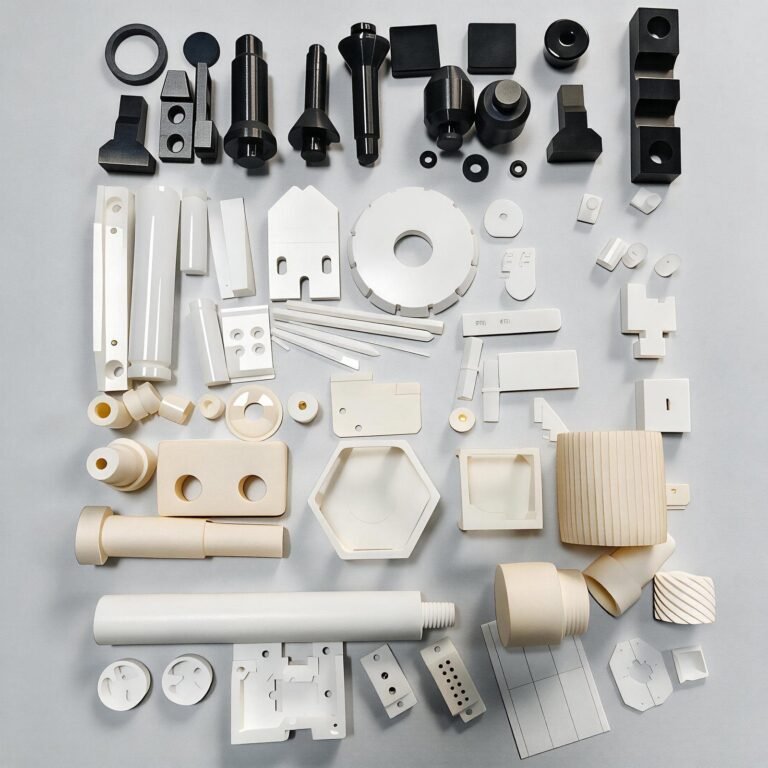
Eight component families produced from customer drawings and samples – turned, ground, lapped and inspected in our own workshop.
Component families
Machined From Drawing, Family by Family
Four families cover most enquiries. Technical detail, tolerances and inspection evidence live on each family page.
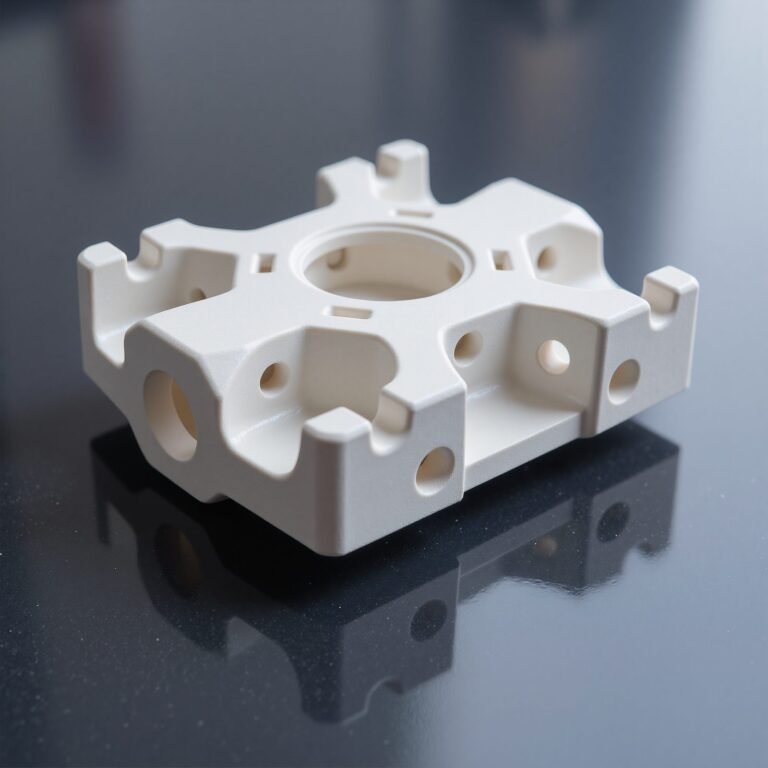
Korecera Precision Ceramics manufactures precision ceramic locating pins, bushings, sleeves, rings, nozzles and structural parts to customer drawings and samples in Dongguan, China. The eight component families are ceramic rings and seal rings, shafts and pins, tubes and sleeves, nozzles, plates and blocks, substrates, bushings, and custom complex parts. Each is produced in alumina, zirconia, silicon carbide, silicon nitride, aluminum nitride or boron nitride, turned, ground, lapped and inspected in our own workshop, and none is supplied from a standard catalogue: every part is made to order.
Which of these pages applies is decided by the duty rather than by the shape alone. A part whose job is to pass abrasive or high-temperature flow is covered under ceramic nozzles and flow-control parts, and a part that has to insulate while carrying heat away is covered under insulating and thermally conductive substrates.
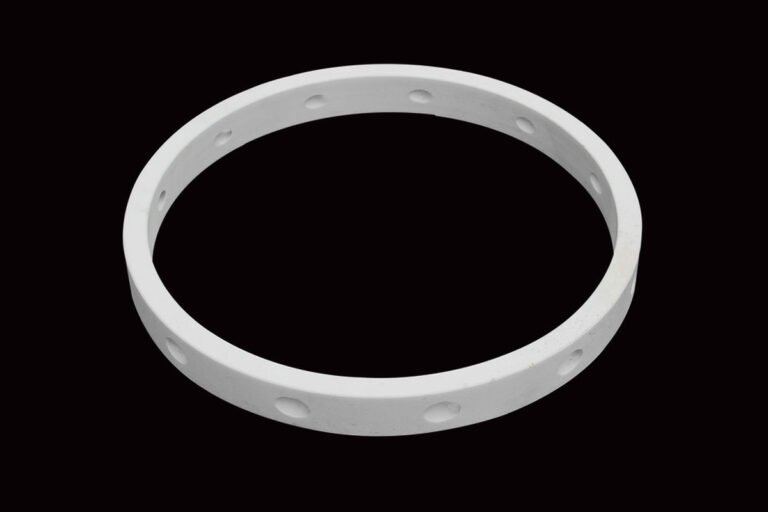
Lapped and polished sealing faces for pumps and process equipment.
View Details ›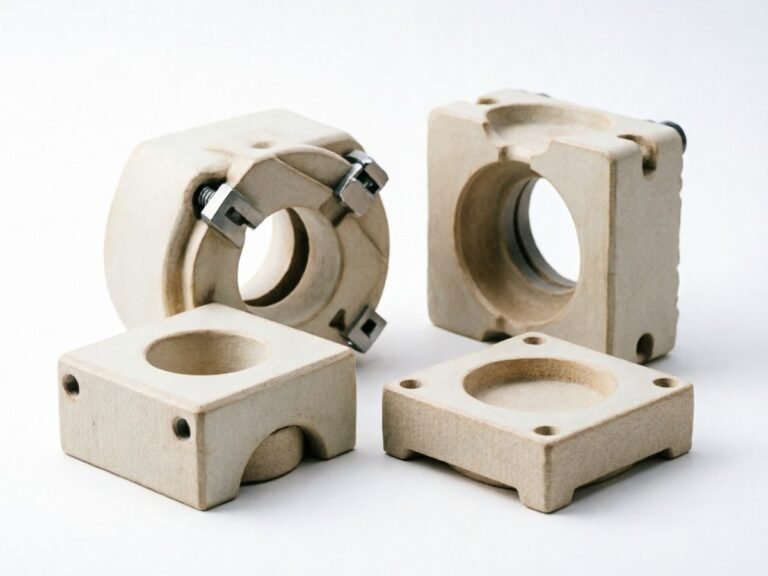
Machined bores and mounting faces for wear and insulation duty.
View Details ›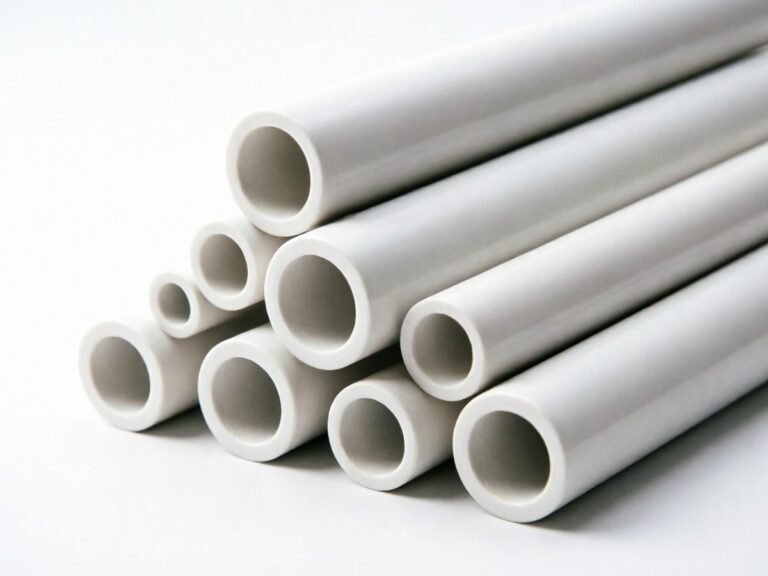
Ground bores and ODs across a wide span of diameters and walls.
View Details ›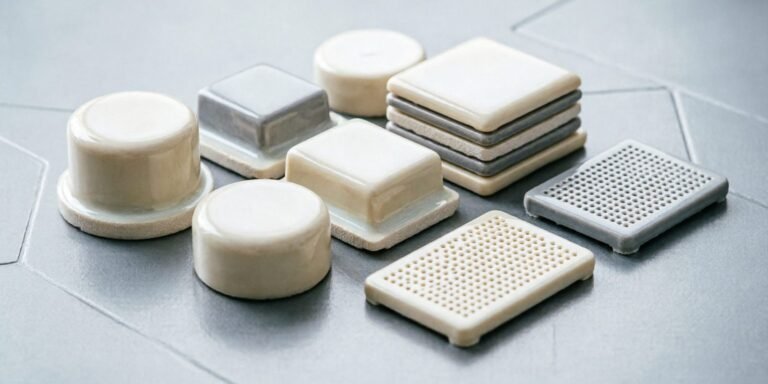
Flat, square and profiled stock machined from solid ceramic.
View Details ›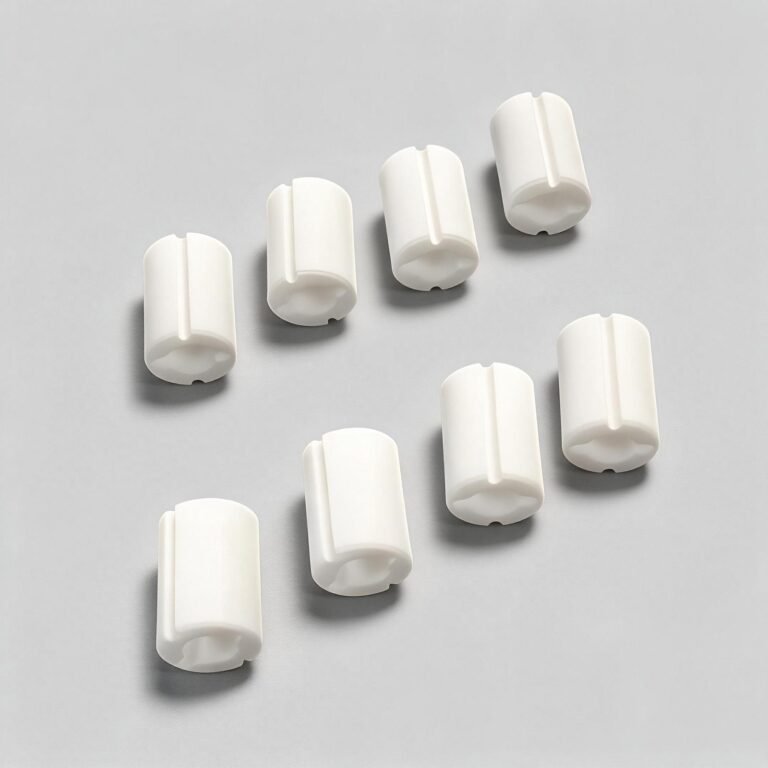
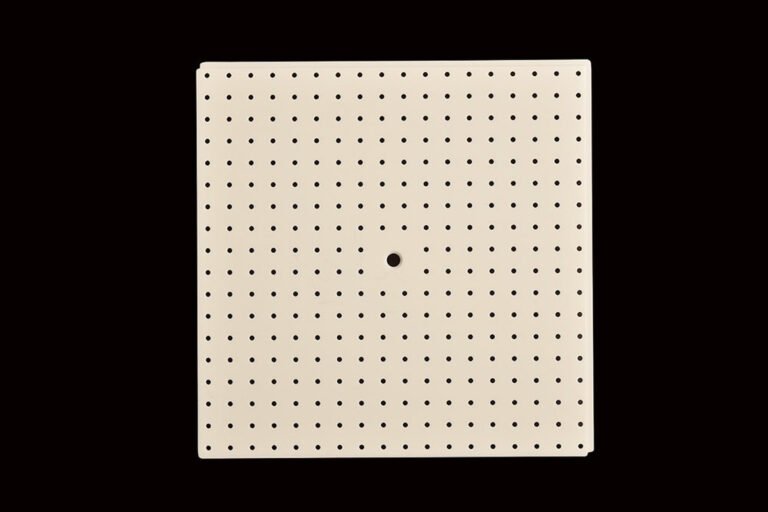
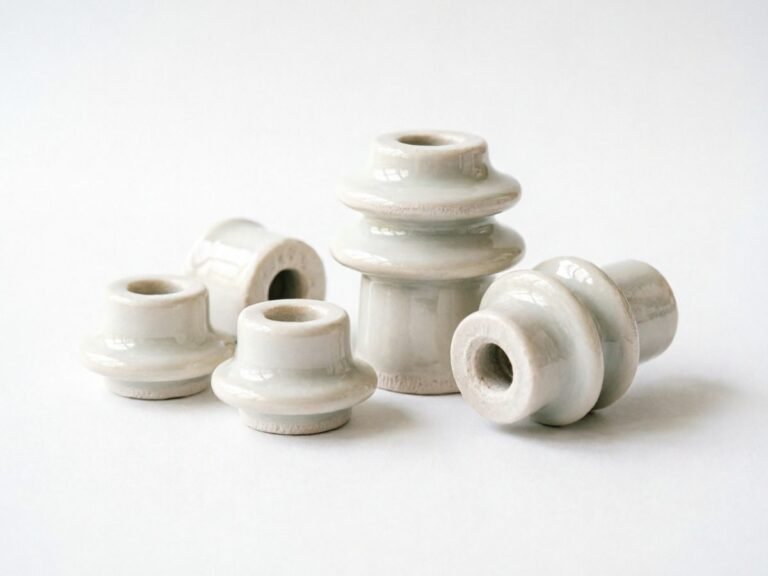
Checkable Before You Order
Dimensional layout is agreed before production. CMM and video measurement are in-house, and inspection documentation can accompany shipment on request.
Feature-specific capability references. Actual achievability depends on material, geometry, feature size and finishing route.
What a Ceramic Component Manufacturer Should Answer Before You Commit
Most enquiries to a ceramic component manufacturer start with a drawing and end with a price. The questions that decide whether the part can be made at all are asked earlier: which features of the drawing are achievable in the chosen material, which process holds each critical feature, and what is measured on the finished part. When those answers arrive with the quotation, the price is an engineering position. When they arrive after the order, the price is a number with nothing behind it.
Two points are worth settling before a supplier is chosen. The first is whether grinding and inspection happen in one workshop: where the grinding is subcontracted, the tolerance on the drawing has two owners and the evidence about the finished part is split between them. The grinding and inspection route used here is kept on one site for that reason. The second is what travels with the shipment: a dimensional report against the agreed drawing, the material grade that was actually used, and an inspection record where one was agreed at order stage. The questions that arrive most often before an order cover both.
Frequently asked
Send the Drawing — We Answer With a Manufacturing View
Prototype and repeat-production quantities are quoted from the same drawing pack. If the drawing is not finished, send it with the unresolved points marked.