
Industries hub
Precision Ceramic Components for Demanding Industrial Applications
Explore how custom advanced ceramic components support equipment requiring dimensional control, electrical insulation, wear resistance, thermal performance and application-specific material selection.
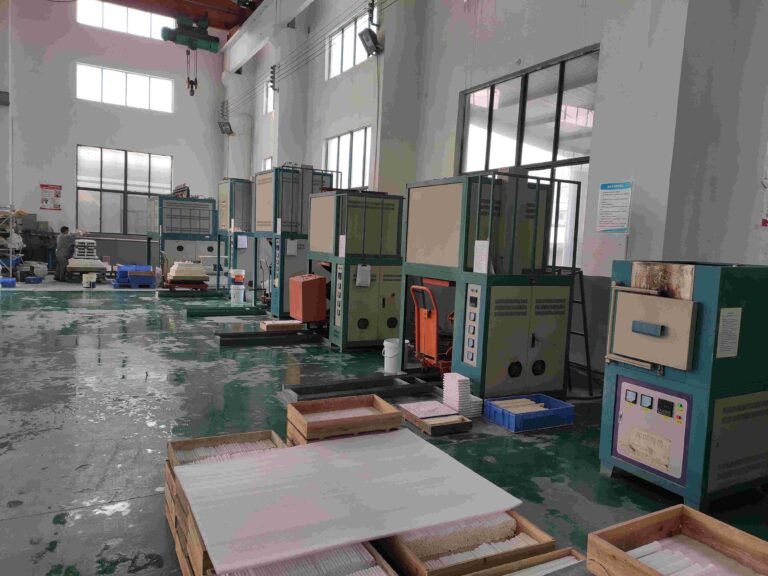
Industry discovery
Find the sector your component belongs to
Korecera manufactures custom precision ceramic components to customer drawings and samples across eight industrial sectors: semiconductor equipment, thermal management and AI hardware, optical and photonics, power electronics, precision machinery, aerospace, medical equipment and energy equipment. Each sector page names the equipment, the component and the material, the manufacturing risk and the inspection method behind the parts, so relevance can be judged without reading a general capability statement.
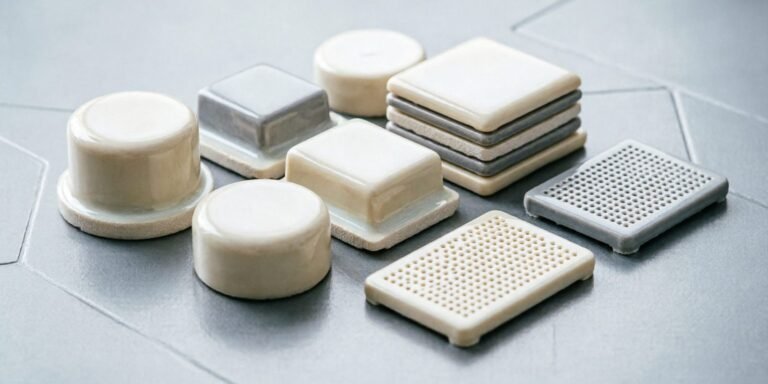
Semiconductor Equipment
Wafer processing, handling and inspection equipment, where polymers can outgas in vacuum and metals can introduce trace contamination, so outgassing, contamination and dimensional stability decide the grade. The ceramic insulates electrically and holds dimension through the process temperature range.
Typical components: Insulating rings and bushings · Chamber liners and shields · Substrates and mounting plates
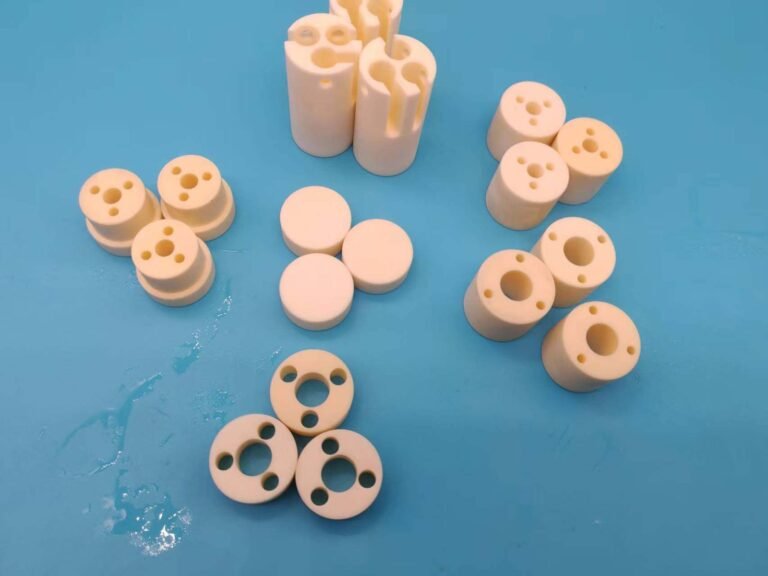
Thermal Management and AI Hardware
Components that move heat out of dense assemblies while keeping the electrical isolation intact. Aluminum nitride answers both duties in one part, which removes an interface from the thermal stack instead of adding one.
Typical components: AlN substrates and heat spreaders · Thermal spacers · Cooling-loop components
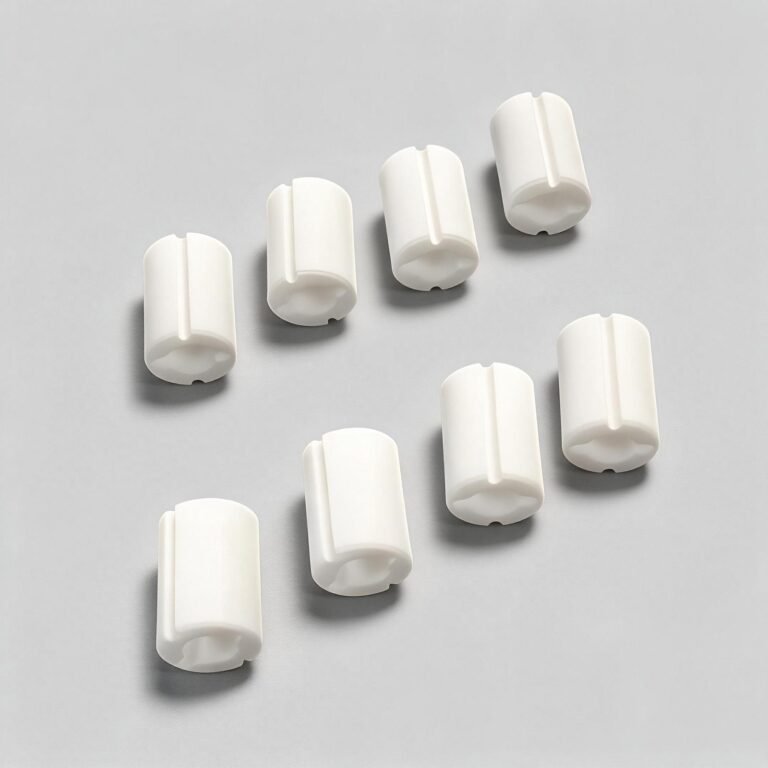
Optical and Photonics
Precision components for optical assemblies, fibre systems and photonics equipment, where dimensional stability and surface condition decide the optical result rather than the appearance of the part.
Typical components: Zirconia ferrules and alignment sleeves · Reference and spacer plates · Insulating parts for optical modules
Power Electronics
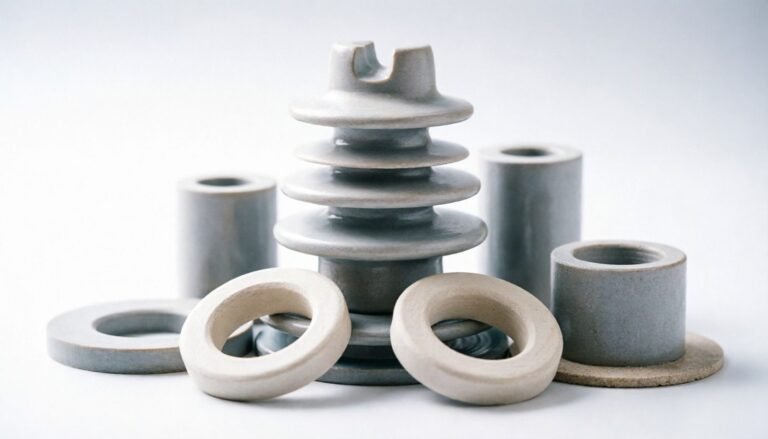
Insulating and thermally conductive components for power modules, converters and high-voltage assemblies, where dielectric strength and heat removal have to be answered without adding a separate insulator to the assembly.
Typical components: Substrates and insulating bases · Bushings and standoffs · Thermal spacers combining isolation and heat removal
Precision Machinery
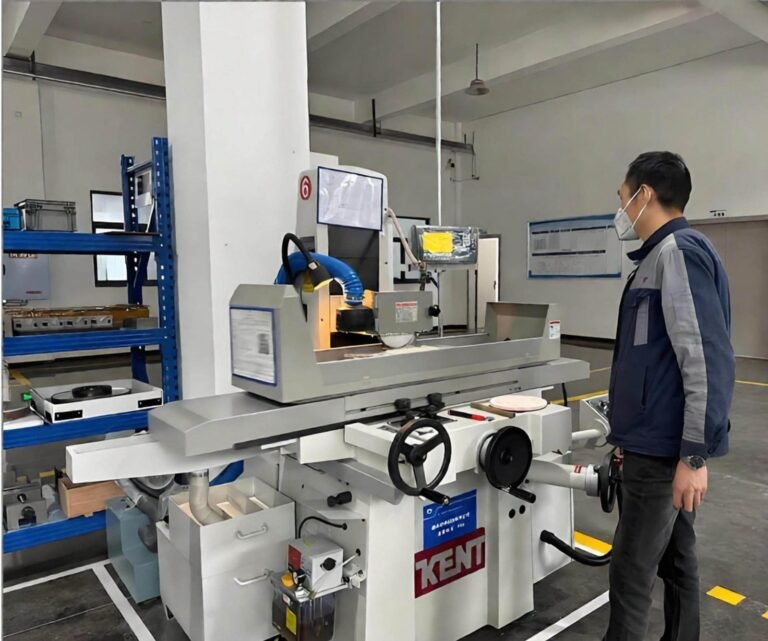
Wear parts, guides and tooling components for production equipment, where a metal part is replaced on a maintenance cycle and the downtime, rather than the price of the part, sets the comparison.
Typical components: Wear plates and liners · Bushings and guide elements · Pins, plungers and sleeves
Aerospace
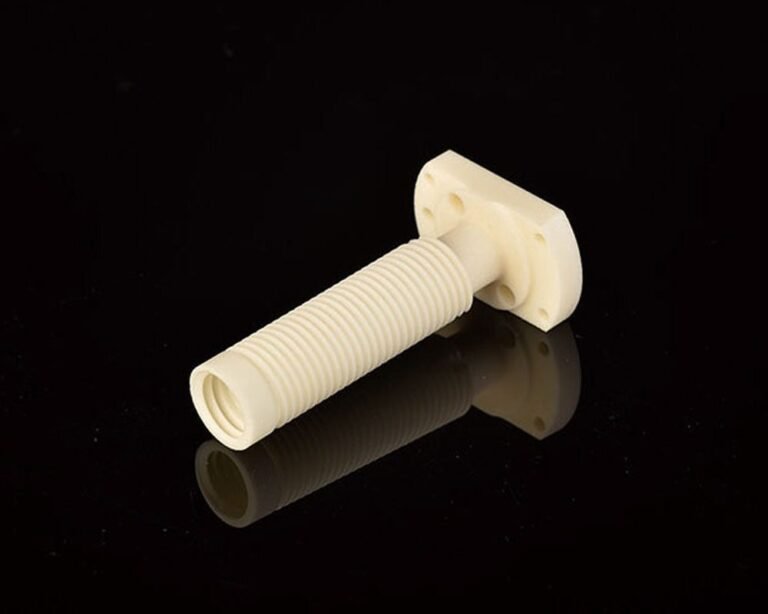
High-temperature, insulating and low-wear components for equipment that has to hold its dimensions through thermal cycling, where traceability and documentation requirements are usually stricter than in general industry.
Typical components: Insulating bushings and standoffs · High-temperature structural parts · Reference and datum parts
Medical Equipment
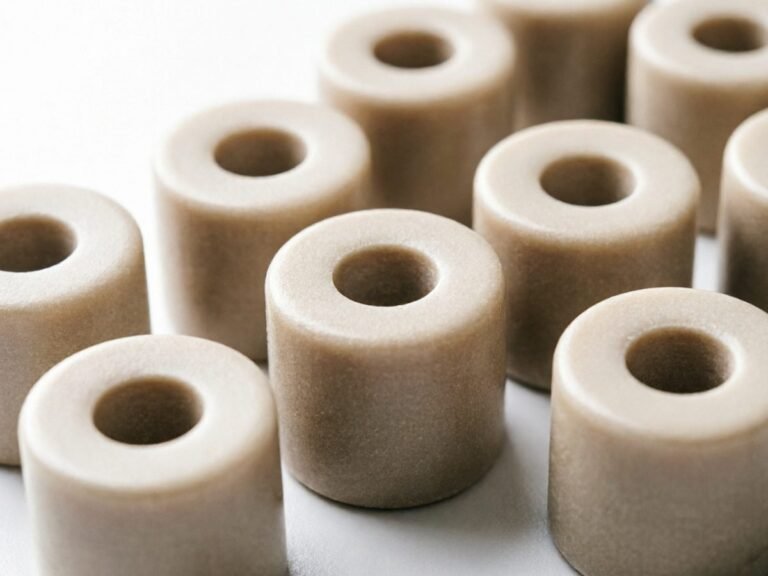
Wear- and corrosion-resistant components in medical grades of zirconia and alumina, for instruments, laboratory analysers and sterilisation hardware. Material grade and documentation are agreed with your quality function rather than assumed.
Typical components: Plungers and metering pins · Ferrules and precision bores · Sealing rings and mating faces
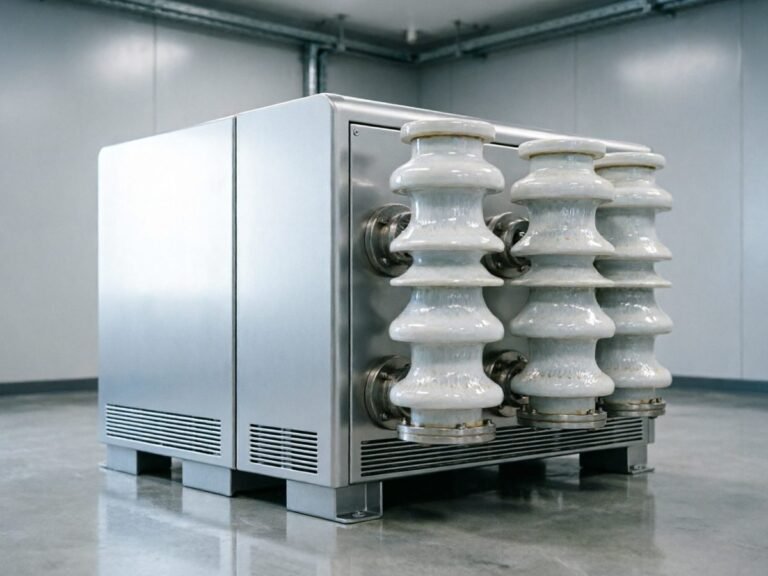
Energy Equipment
Components for pumps, valves, insulation and sensor hardware in power generation and process energy systems, where the operating medium and the temperature cycle decide the grade.
Typical components: Plungers, sleeves and seats · Protection tubes and sheaths · Wear rings and liners
Critical requirement by industry
One line per sector: what the parts have to do, and which component classes usually carry it. Material properties are compared on the material selection pages, not here, and the process detail sits on the manufacturing pages.
| Industry | Critical requirement | Representative ceramic components |
|---|---|---|
| Semiconductor Equipment | Electrical insulation with dimensional stability in vacuum and plasma | Insulating rings, chamber liners, gas distribution parts |
| Thermal Management and AI Hardware | Thermal conductivity and electrical isolation in the same part | AlN substrates and heat spreaders, thermal spacers |
| Optical and Photonics | Dimensional stability and controlled surface finish at small diameters | Ferrules and alignment sleeves, reference plates |
| Power Electronics | Dielectric strength together with heat removal | Substrates and insulating bases, bushings, thermal spacers |
| Precision Machinery | Wear life against a counterface with repeatable geometry | Wear plates and liners, bushings, pins and plungers |
| Aerospace | Dimensional stability through thermal cycling, with traceability | Insulating bushings and standoffs, structural components |
| Medical Equipment | Wear and corrosion resistance in a controlled material grade | Plungers and metering pins, ferrules, sealing rings |
| Energy Equipment | Corrosion and abrasion resistance in the operating medium | Plungers, sleeves and seats, protection tubes |
Where the requirement rather than the sector is the fixed point, the same components are grouped by engineering problem under ceramic engineering solutions, and the duty that recurs across these sectors – holding dimensions through thermal cycling – is read from the requirement side under high-temperature ceramic components.
How these parts are made and verified
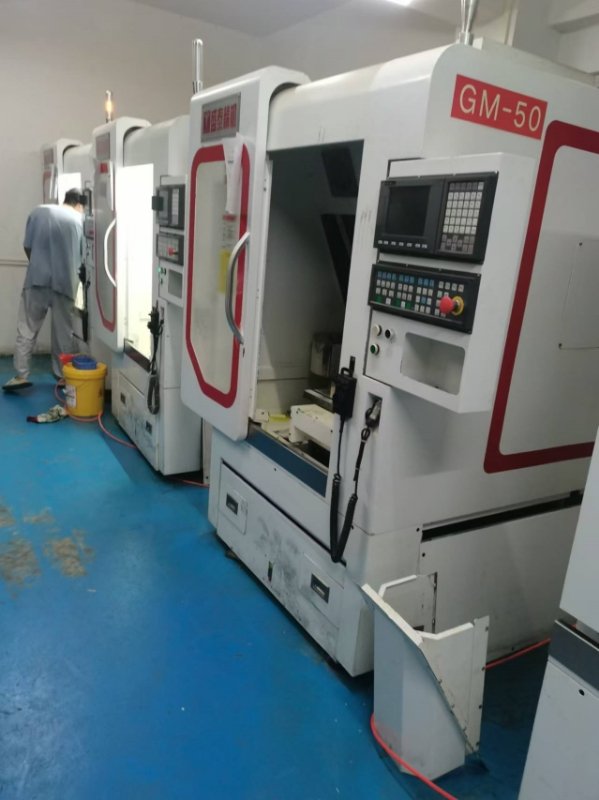
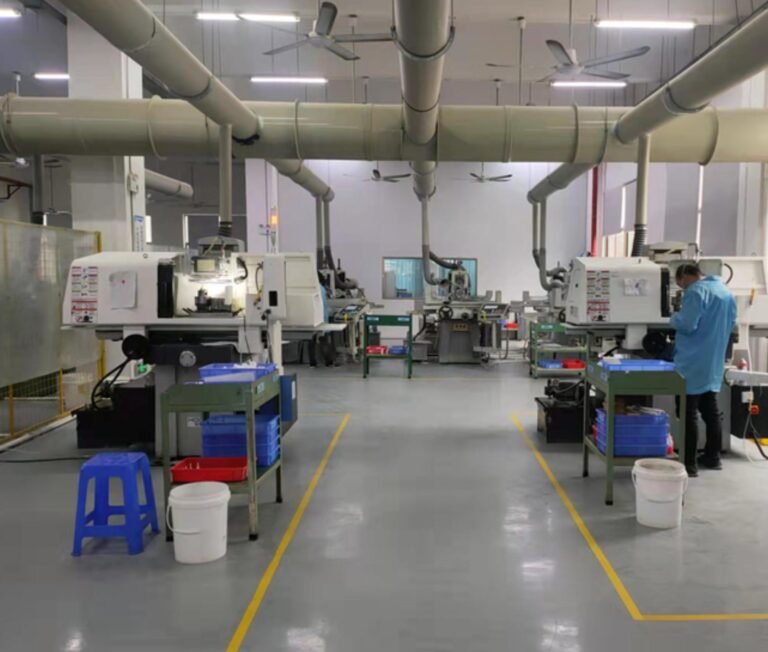
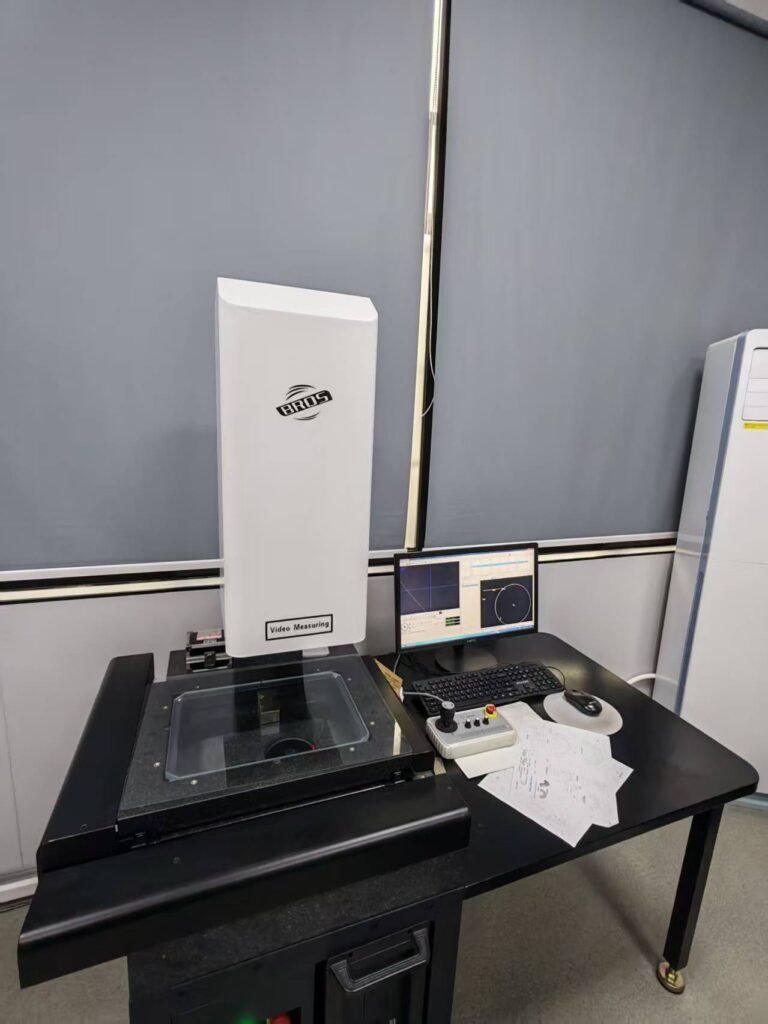
Every sector page points back to the same plant: parts machined from customer drawings, measured on our own instruments, and documented before dispatch.
- Parts manufactured as custom components to drawings and samples, not selected from a catalogue
- Precision diamond grinding and CNC machining of fully fired ceramic
- In-house femtosecond laser processing for selected micro-feature applications
- Inspection on our own CMM, video measuring system and surface instruments
- Prototype to production support with the inspection plan agreed before machining
What to send with a drawing
The same six inputs apply in every sector. Sending them with the drawing is what makes the first quotation accurate, and it is the same review whatever the industry on the enquiry.
- Drawing or 3D model, with the datum scheme the part is judged on
- Material or grade if it is already specified, or the operating environment if the material is still open
- Critical features and tolerances, in particular the ones that are functional
- Quantity at each stage: evaluation, pilot and production
- Surface finish requirement on the functional faces
- Inspection and documentation needs: dimensional report, first article inspection, material certificate
Frequently asked
Have a Custom Ceramic Component Drawing?
Submit your drawing, material requirements, critical dimensions and production quantity for engineering review. Initial engineering feedback is returned within 2 business hours during published business hours (Mon-Fri 9:00-18:00 GMT+8), excluding Chinese statutory holidays and company-announced non-working days. This is initial feedback on the drawing, not completion of a formal quotation or a full engineering review.