Engineering guide
Biocompatible Ceramics for Medical Hardware
Zirconia and alumina in medical and laboratory equipment: what makes them suitable, what the manufacturing constraints are, and where the supplier responsibility ends.
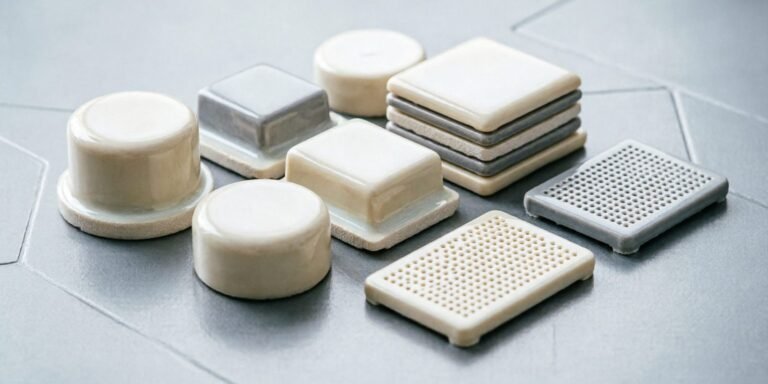
Materials
The two biocompatible ceramics
| Material | Selected for |
|---|---|
| Zirconia (ZrO2) | Fine edges, high strength, wear resistance and impact tolerance |
| Alumina (Al2O3) | Insulation, chemical resistance and general wear components |
| Silicon nitride (Si3N4) | Structural components under load and repeated sterilisation cycling |
| Silicon carbide (SiC) | Wear components in aggressive cleaning and dosing service |
Where these parts sit in the machine, and which of their surfaces carry wear, is described under medical equipment components.
What medical hardware demands
- Biocompatibility of the material in the intended contact category
- Survival of repeated sterilisation, which is a thermal and chemical cycle
- Resistance to cleaning chemistry, which is often aggressive
- Fine edge retention on cutting and guiding features
- Contamination control through cleaning and packing
Where the difficulty lies
| Feature | Consideration |
|---|---|
| Fine edge | Functional feature and the most fragile point |
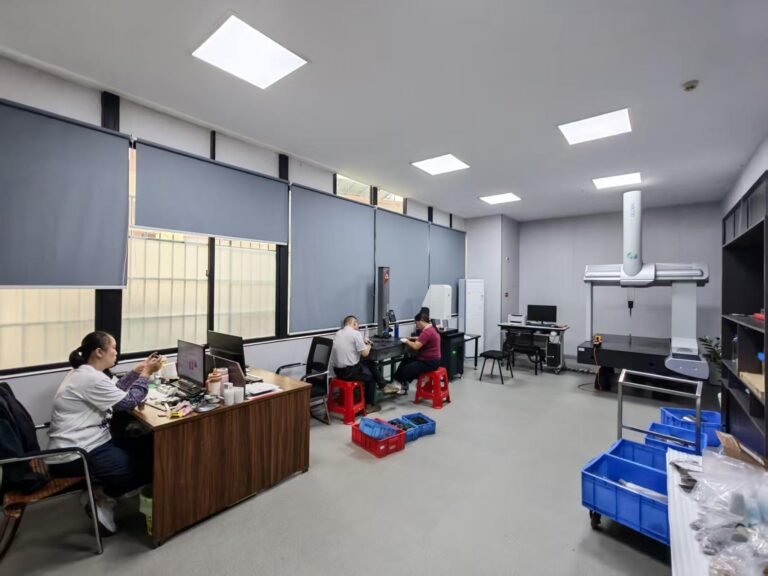
| Small precision bore | Optical measurement required rather than contact probing |
| Repeated sterilisation | Thermal cycling affects material choice |
| Sliding surfaces | Finish controls both friction and cleanability |
| Insulating components | Wall thickness is a functional tolerance |
Where the supplier role ends
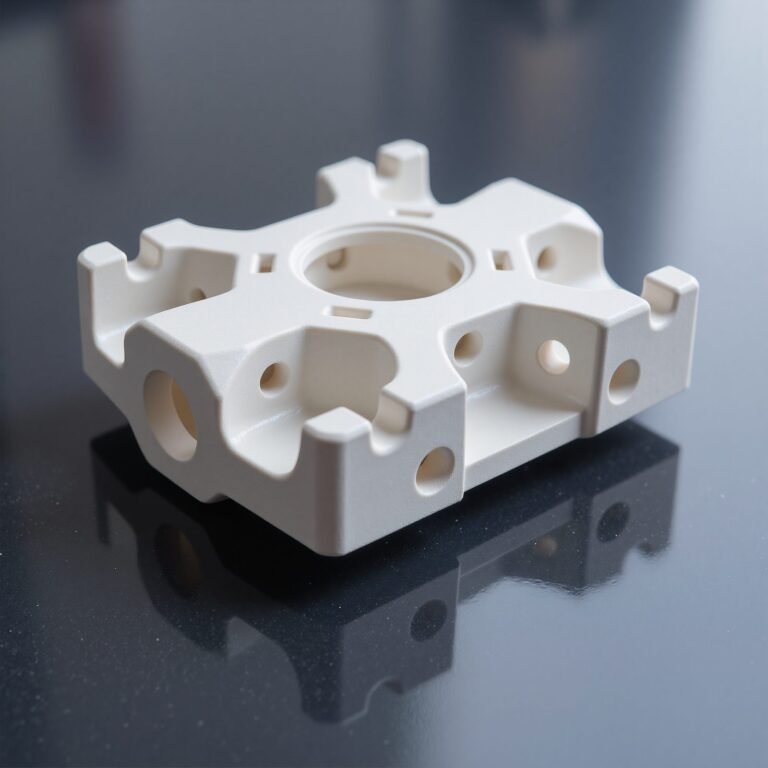
The part and the process
Frequently asked
Are your ceramics biocompatible?
Zirconia and alumina are both used in medical applications. The part is supplied to your drawing and material specification; the regulatory qualification of the device remains with you.
Do you hold ISO 13485?
State the certification requirement at enquiry stage. It is confirmed in writing before any order is accepted, so there is no assumption on either side.
How is a fine ceramic edge protected?
The edge is specified as an engineering requirement, protected during handling, and shipped in packing designed for it.
Can the part survive autoclave cycles?
The ceramic itself tolerates sterilisation temperatures. Whether a specific cycle is acceptable depends on the chemistry and the thermal rate, which should be stated.
Have a drawing that this guide applies to?
Send it with the material and the quantities. The review confirms what is achievable before any price is issued.