Industry
Medical Equipment: Custom Ceramic Components
Wear- and corrosion-resistant components in medical grades of zirconia and alumina, for medical devices, laboratory instruments and sterilisation hardware.
Direct answer
What ceramic components does this industry use?
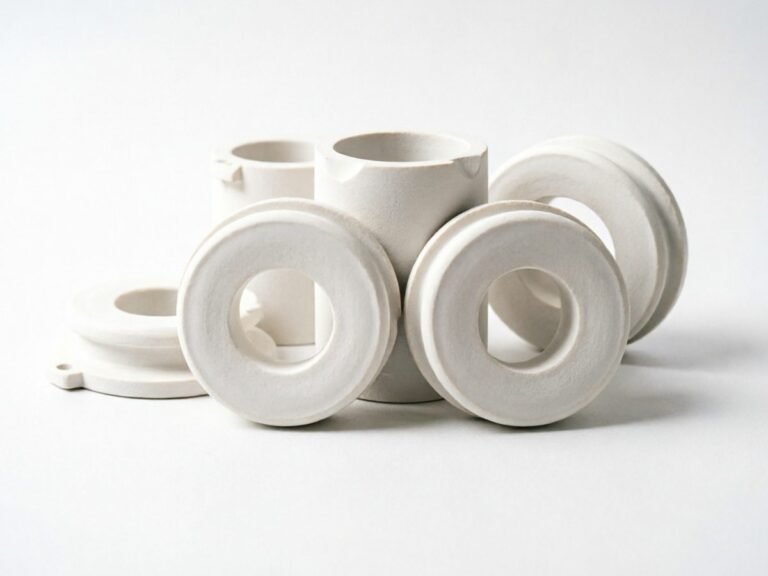
Medical equipment uses precision ceramic components where wear, corrosion resistance and dimensional stability have to survive repeated sterilisation: plungers and metering pins, sealing rings and mating faces, ferrules and precision bores, insulating components, and fine-edge cutting and guiding parts. Specific grades of zirconia and alumina are selected for the application, with the grade certificate travelling with the shipment; silicon nitride serves structural duty under repeated cycles and silicon carbide answers aggressive cleaning and dosing service. Bore geometry, edge quality and surface finish decide function, and they are judged from the drawing.
Where the parts sit, and what each one does
Each row ties an equipment class to the ceramic component used in it, the function the part performs, the candidate material, the feature that carries the risk and how that feature is verified. Materials named here are the ones described under material selection below.
| Equipment | Ceramic component | Function | Candidate material | Critical feature | Inspection |
|---|---|---|---|---|---|
| Surgical and dental instruments | Cutting, guiding and insulating components | A fine edge that does not dull the way metal does | Zirconia (ZrO2) for fine edges and high load | Edge geometry and edge quality | Optical inspection of fine edges against an agreed criterion |
| Laboratory and analytical instruments | Ferrules, plungers, precision bores | Stable, wear-resistant metering and location | Zirconia (ZrO2); alumina (Al2O3) for insulating parts | Bore diameter and roundness; concentricity | Dimensional verification of bore geometry; optical measurement where agreed |
| Fluid handling and dosing systems | Plungers, valves, sealing components | Corrosion resistance in the dosed medium | Silicon carbide (SiC); zirconia (ZrO2) | Surface finish on sliding and sealing faces | Surface roughness on sliding and sealing faces |
| Sterilisation and cleaning equipment | Wear parts, insulating components, guides | Dimensions held through repeated sterilisation cycles | Silicon nitride (Si3N4) under repeated cycles | Dimensional stability through the cycle; wall thickness | Dimensional verification; material certificate confirming grade |
| Imaging and diagnostic equipment | Insulating and structural parts | Electrical insulation with stable geometry | Alumina (Al2O3); silicon nitride (Si3N4) | Wall thickness on insulating components; flatness | Dimensional verification; flatness check |
What these parts are judged on
Each row ties one feature to why it matters in service, where it is at risk during manufacture, and how it is measured. The inspection plan is agreed before machining, because a ground ceramic dimension cannot be corrected afterwards.
| Feature | Why it matters | Manufacturing risk | Inspection method |
|---|---|---|---|
| Edge geometry on cutting parts | The edge is the functional feature | Fine edges are the most fragile feature, so specification and packing matter | Optical inspection against an agreed criterion |
| Bore diameter and roundness | Metering accuracy depends on it | Very small precision bores need optical measurement, which must be agreed as part of the inspection plan | Dimensional verification; optical measurement where agreed |
| Surface finish on sliding and sealing faces | Finish decides cleanability as well as function | Reaching the finish without leaving residue | Surface roughness measurement; cleaning as a specification step |
| Material grade selection | The grade is selected against the requirement rather than assumed | The wrong grade for the cleaning chemistry or the sterilisation cycle | Material certificate confirming grade and biocompatibility documentation |
| Dimensional stability through sterilisation | Precision has to survive the sterilisation cycle, not only the machining operation | Repeated thermal cycling affecting material choice | Dimensional verification of bore, edge and sealing geometry |
What the process demands of the material
The conditions below act on the part in service. Each one narrows the material or the geometry, and stating them is what turns the material choice into an engineering decision rather than a preference.
Corrosion and cleaning
Repeated sterilisation and aggressive cleaning agents remove metals and polymers that perform well elsewhere.
Wear in service
Wear particles are a design concern in their own right, so wear rate and material pairing are specified together.
Material grade
The grade is selected against the requirement rather than assumed, and the grade certificate travels with the shipment.
Dimensional stability
Precision has to survive the sterilisation cycle, not only the machining operation.
Surface finish
Finish decides cleanability as well as function.
Traceability
The document set is agreed with your quality department before the order is placed.
Which materials suit this industry, and the limits
The material is chosen from the dominant requirement. Where two requirements conflict, the trade-off is explained before quoting rather than resolved silently.
| Material | Why it is chosen here |
|---|---|
| Zirconia (ZrO2) | Biocompatible, high strength and wear resistant; the standard choice where a fine edge or high load is present |
| Alumina (Al2O3) | Biocompatible and chemically resistant; used for insulating and general wear components |
| Silicon nitride (Si3N4) | Structural components under load and repeated sterilisation cycles |
| Silicon carbide (SiC) | Wear components in aggressive cleaning and dosing service |
What is controlled and how it is verified
Dimensions and inspection method are agreed before machining, because ceramic cannot be reworked the way metal can.
Dimensions that usually matter
- Bore diameter and roundness on plungers and dosing components
- Edge geometry and edge quality on cutting parts
- Concentricity on ferrule and barrel components
- Surface finish on sliding and sealing surfaces
- Wall thickness on insulating components
Inspection applied
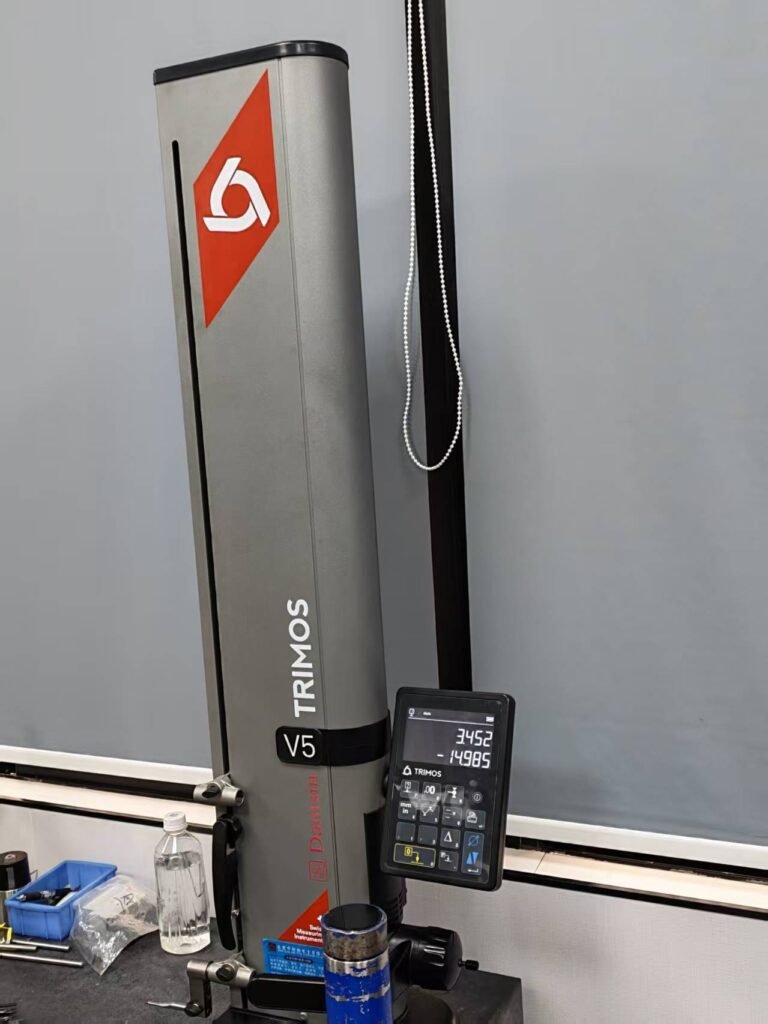
- Dimensional verification of bore, edge and sealing geometry
- Surface roughness on sliding and sealing faces
- Optical inspection of fine edges against an agreed criterion
- Material certificate confirming grade and biocompatibility documentation
- Dimensional report with first article inspection on new designs
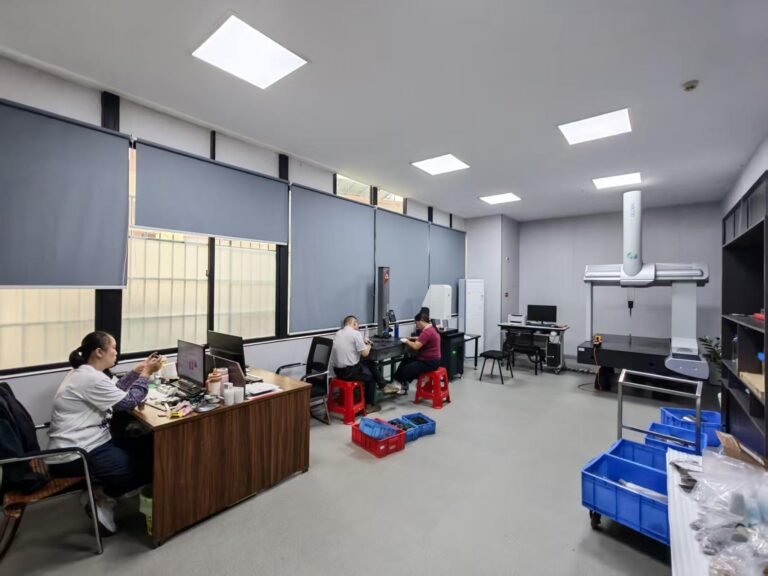
Parts made here, on our own equipment
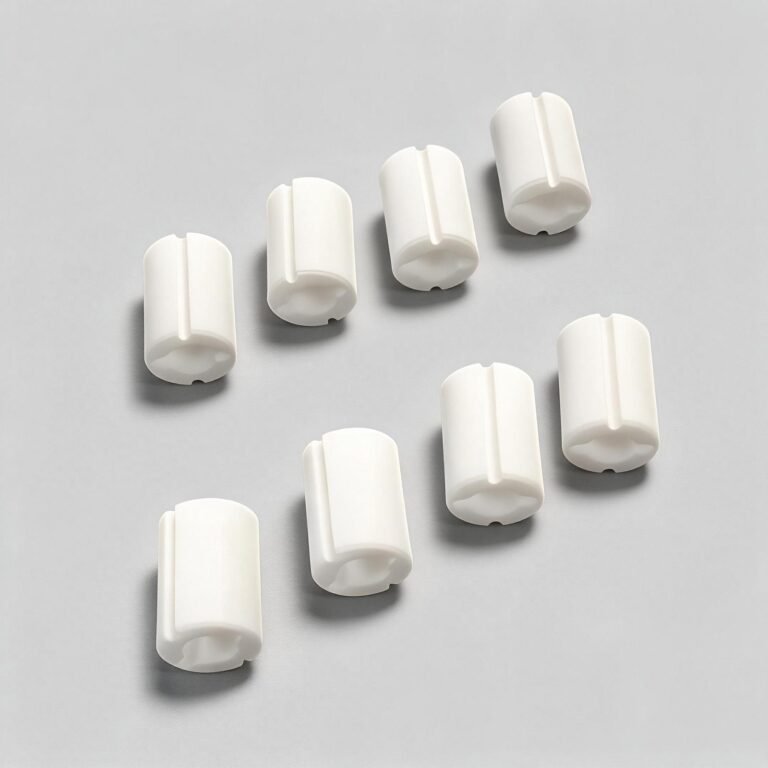
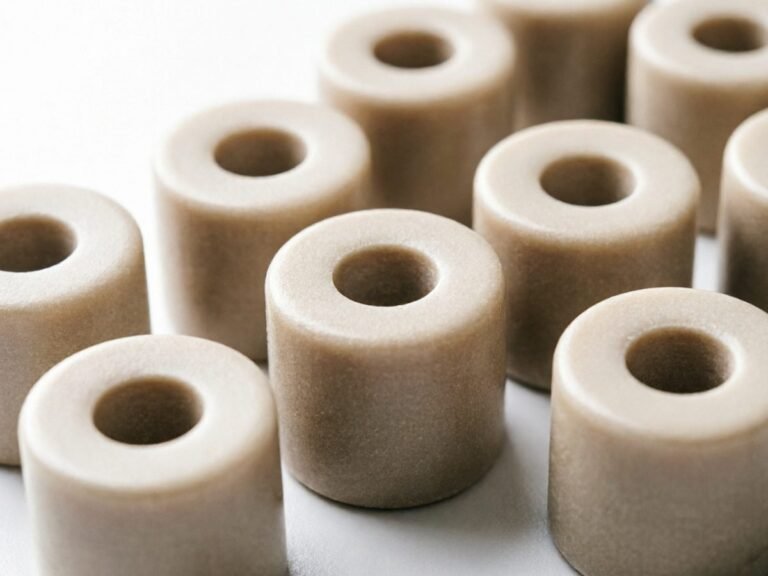
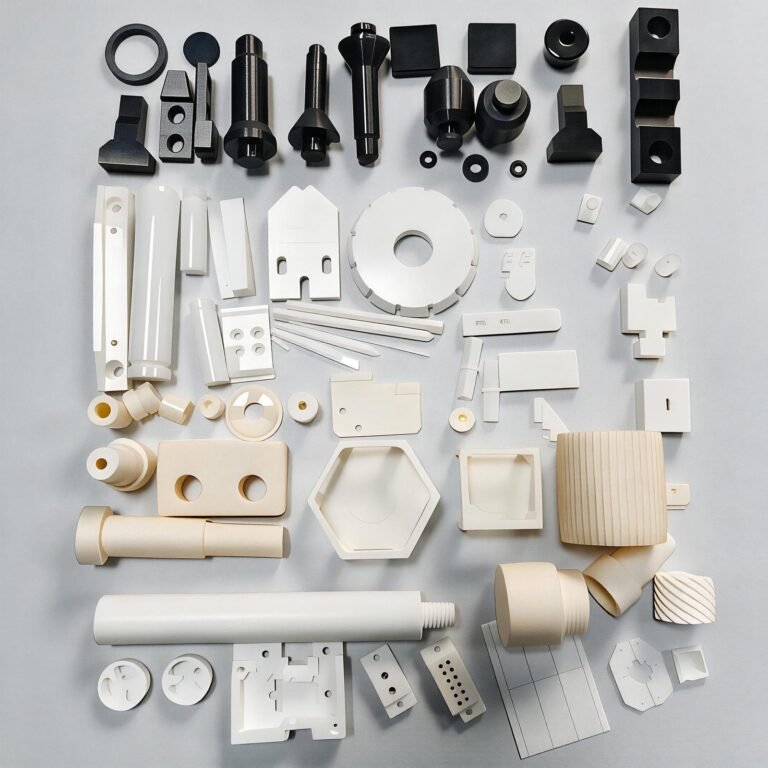
Component photographs are of parts produced in this factory. Equipment photographs are of this plant. No stock photography of facilities we do not own appears on this site.
What to send with a drawing
The review confirms material, route and inspection method from these inputs. Sending them with the drawing is what makes the first quotation accurate.
- Drawing or 3D model with edge, bore and sealing geometry defined
- Material or grade if already specified; otherwise the application, the cleaning chemistry and the sterilisation cycle
- Critical dimensions: bore, edge and sealing geometry with their tolerances
- Quantity at each stage: evaluation, pilot and production
- Surface finish on sliding, sealing and cleanable surfaces
- Certification and documentation requirements, stated at enquiry stage and confirmed in writing before any order is accepted
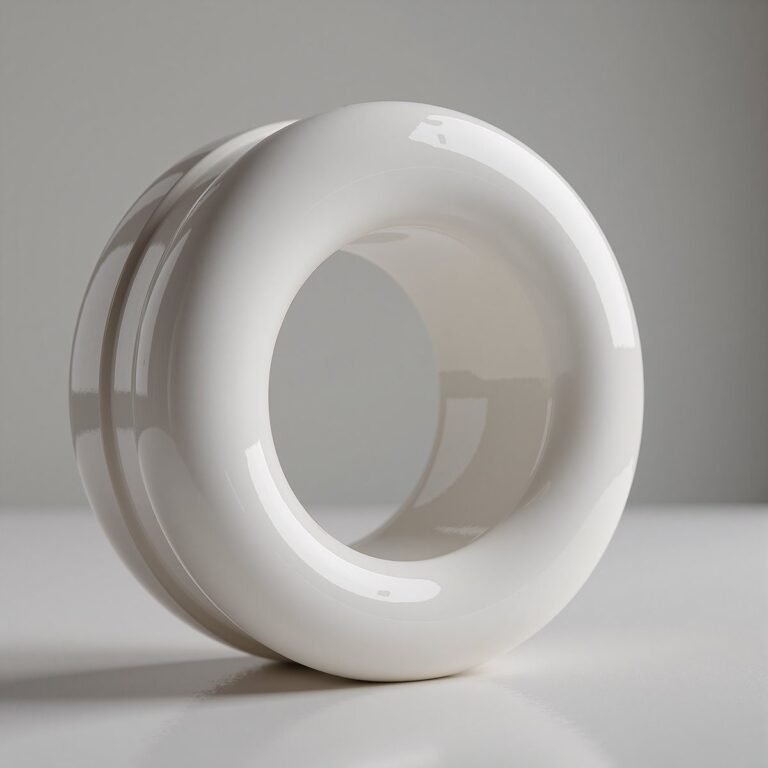
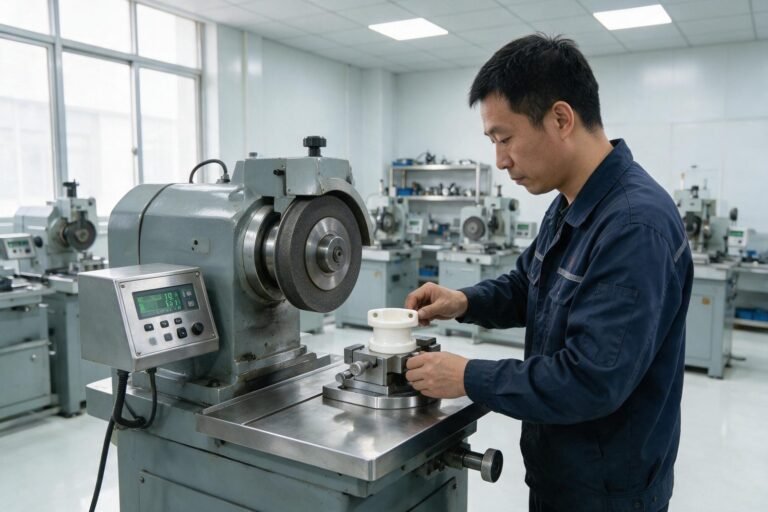
The part and the process
Frequently asked
Are your ceramics biocompatible?
Zirconia and alumina are both used in medical applications. The part is supplied to your drawing and material specification; the regulatory qualification of the device remains with you.
Do you hold ISO 13485?
State the certification and documentation requirements at enquiry stage. They are confirmed in writing before any order is accepted, so there is no assumption on either side.
How fragile is a fine ceramic edge?
It is the functional feature and also the most vulnerable. The edge is specified as an engineering requirement, protected during handling, and shipped in packing designed for it.
Send a drawing for this industry
State the equipment, the operating conditions and the quantities. The review confirms material and route before quoting. Initial engineering feedback is returned within 2 business hours during published business hours (Mon-Fri 9:00-18:00 GMT+8), excluding Chinese statutory holidays and company-announced non-working days; this is initial feedback on the drawing, not completion of a formal quotation or a full engineering review.