
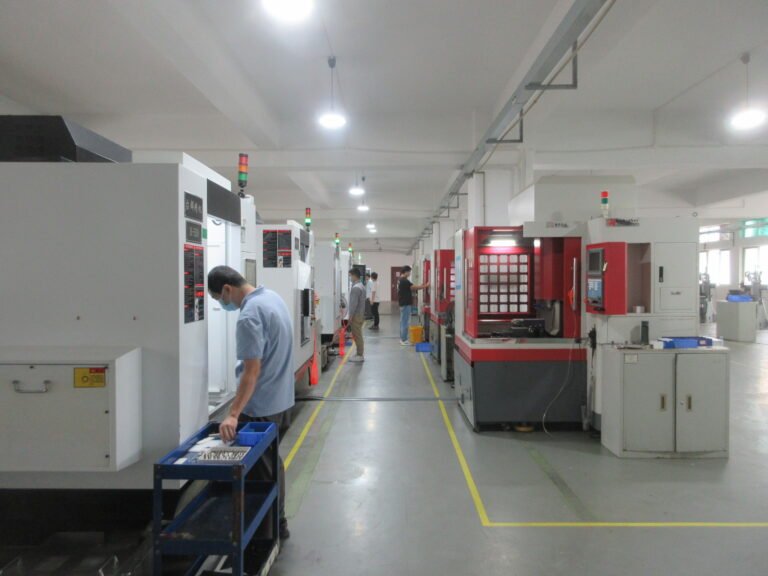
Manufacturing Capabilities
Custom Ceramic Manufacturing
Korecera Precision Ceramics manufactures custom ceramic components in Dongguan, China, to customer drawings – from drawing review through precision machining to dimensional inspection, in prototype and production quantities.
Drawing to Part
How the part gets made
A general framework for how a drawing becomes an inspected component. The actual route depends on material, geometry and quantity.
Material selection, drawing and DFM review, prototyping, precision machining, inspection and repeat production are handled by one supplier. Korecera Precision Ceramics in Dongguan, China takes a part from drawing review through material and blank strategy, forming and sintering, diamond grinding and lapping, to dimensional inspection and documentation, and quotes prototype and production quantities from the same drawing pack.
This is the general Drawing-to-Part framework. Not every part passes through every operation – route selection depends on the material, feature set and quantity, as described on the drawing-to-part page. Where the requirement rather than the drawing is the fixed point, the same routes are grouped by engineering problem under engineering solutions, and where the part also has to hold voltage, that duty is read from the requirement side under electrical insulation.
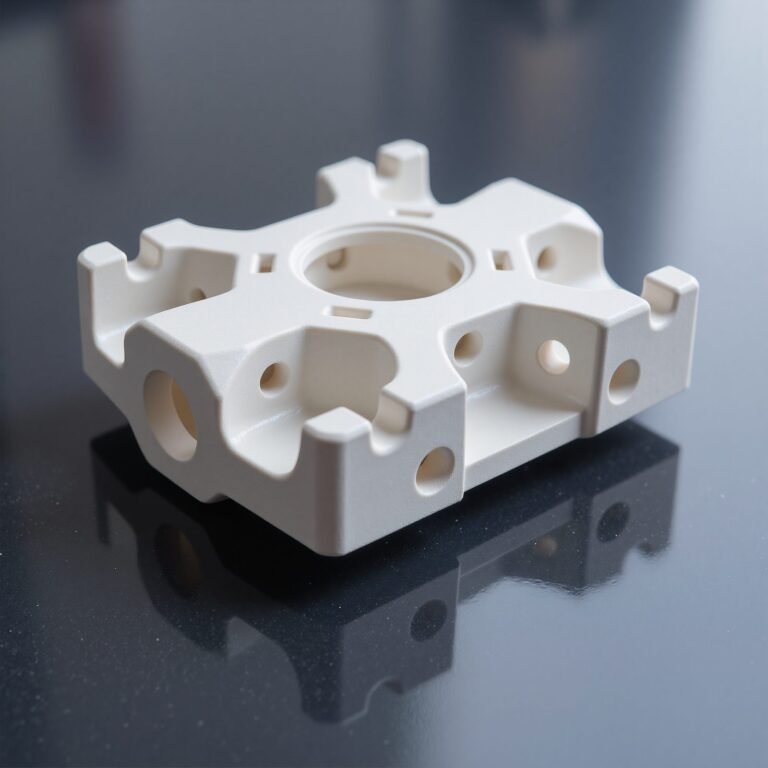
Parts are produced for eight application sectors: semiconductor equipment, thermal management and AI hardware, optical and photonics, power electronics, precision machinery, aerospace, medical equipment and energy equipment. Geometry that fits none of the standard component families – multi-axis profiles, pockets, tapers and undercuts combined on one part – is quoted as a custom complex ceramic part, and drawings are accepted as PDF, STEP or DWG.
The processes behind the parts
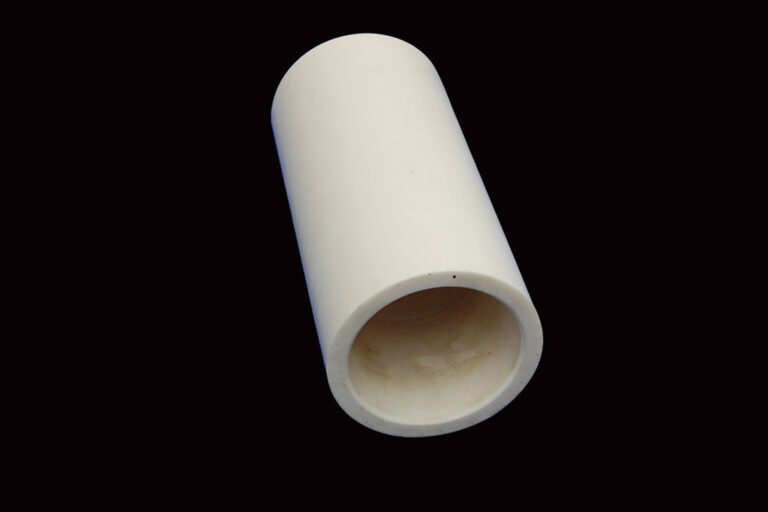
Real equipment, real operators, documented processes. Each capability links to its own technical page.
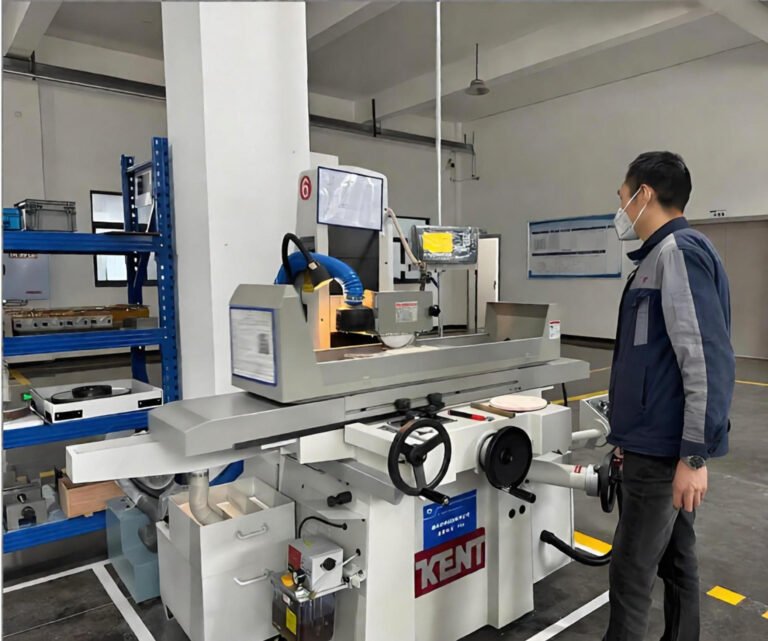
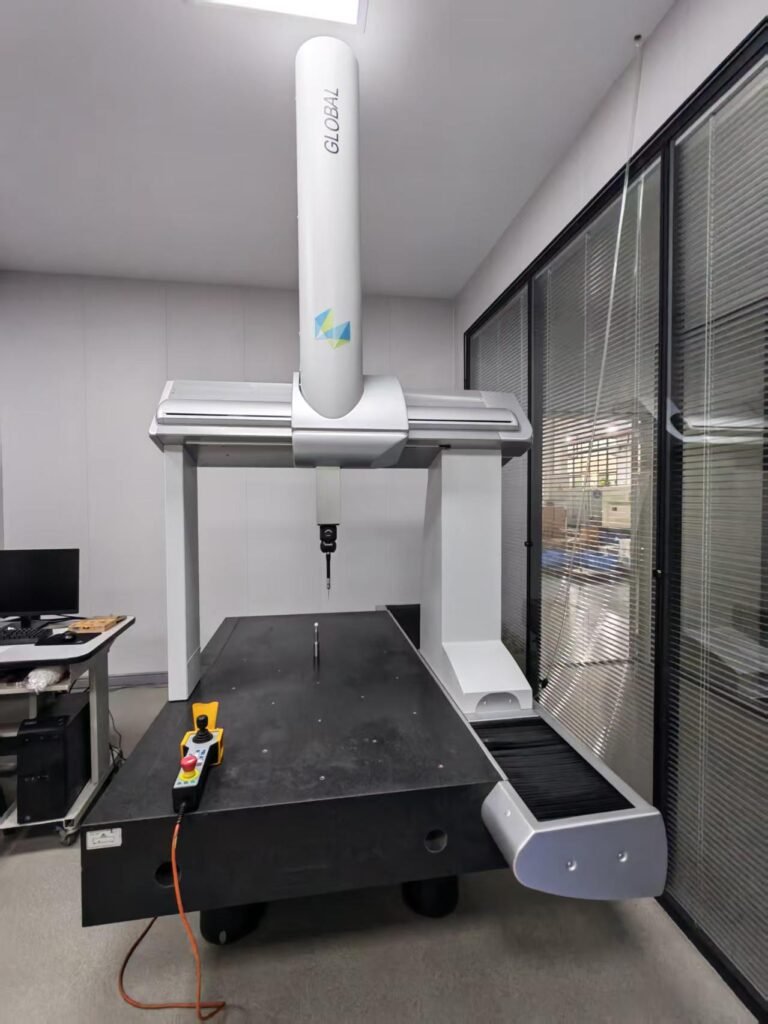
Measured, not assumed
Manufacturing and measurement are separate, documented steps. Inspection follows a plan agreed on your drawing – CMM for datums and profiles, video measurement for fine features, gauges where the quantity justifies them.
Feature-specific capability references – achievable values depend on the feature, material and process route.
Frequently asked
Have a Ceramic Component Drawing?
Send the drawing (PDF, STEP or DWG), the target material or application, and the quantity. You receive a manufacturability answer and a quotation.