Manufacturing capability
Prototype to Production for Ceramic Components
What changes between the first evaluation part and a repeated production order, and how continuity is maintained between batches.
Order size and lead time
Prototype, pilot and production quantities
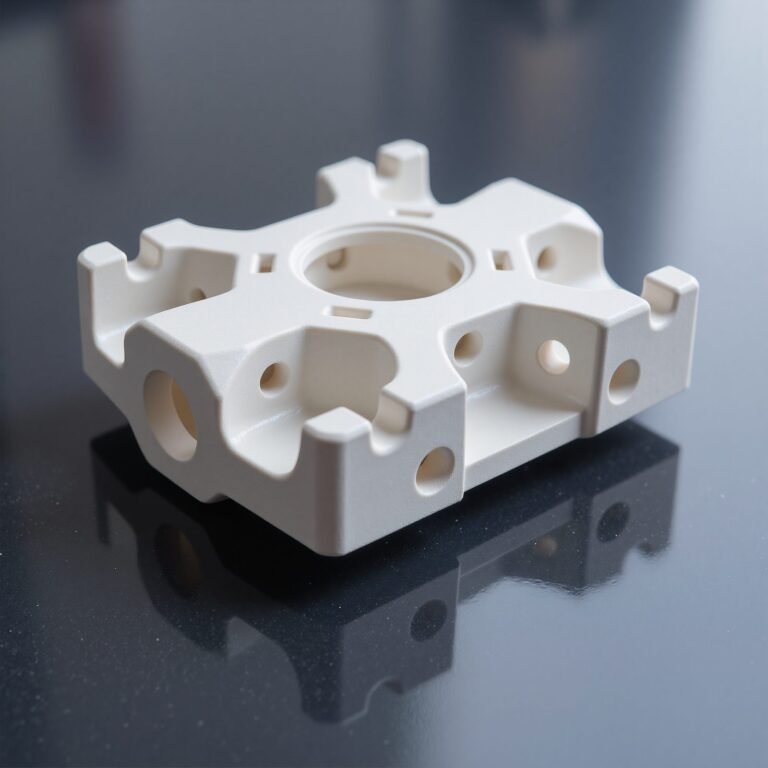
Prototype work starts from a single part and is quoted separately from production, because the manufacturing route and the fixturing differ at that stage. Typical lead time is 7 to 10 working days after drawing approval for a prototype, 2 to 3 weeks for a pilot batch and 4 to 6 weeks for production, subject to order confirmation and to the written date issued with the quotation. The same control framework applies from prototype through repeat production – the drawing, the datum scheme and the agreed inspection method – while tooling, fixturing, inspection frequency and process route may change with quantity and feature requirements. That framework is what keeps the second batch comparable with the first.
A prototype is not a separate kind of part. It belongs to one of the component families, and the family follows the geometry on the drawing rather than the quantity being ordered; the eight families are listed under custom ceramic components. Where the material is still open at that stage it is settled before a route is quoted, because the tolerance a feature can hold depends on which ceramic is chosen for it, and that decision is set out under ceramic material selection. How the first article is measured against the drawing, and how that measurement carries into the run, is described under inspection and metrology.
What changes as the order grows
Prototype, pilot and production are not the same job at different quantities. The route, the fixturing and the inspection plan all change.
| Stage | Primary objective | Tooling / fixture | Inspection level | Documentation | Change control |
|---|---|---|---|---|---|
| Prototype | Form, fit and function: prove the design before committing to tooling | General fixturing; route may differ from production | Every dimension marked functional, in full | First article inspection report on request | Drawing revisions expected; each restarts approval |
| Pilot / first article | Process stability: prove the process, not just the part | Production-intent fixture proven on the first article | First part in full, then drift-prone dimensions sampled | FAI report for written approval; sampling plan stated | Process frozen after first article approval |
| Repeat production | Repeatability, documentation and delivery schedule | Production fixture, retained between batches | Per the agreed plan: critical dimensions in full where specified, general dimensions sampled | Dimensional report with the shipment; lot traceability | Documented change approval before any process adjustment |
Making the step from one part to many
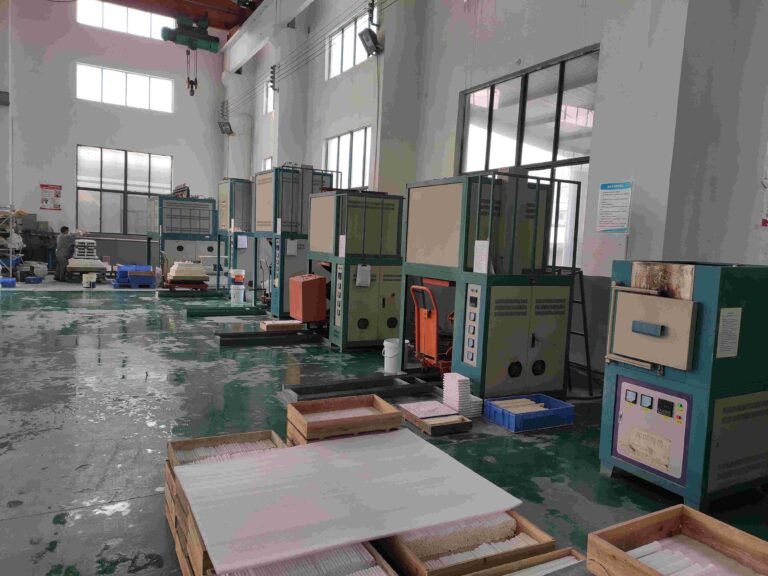
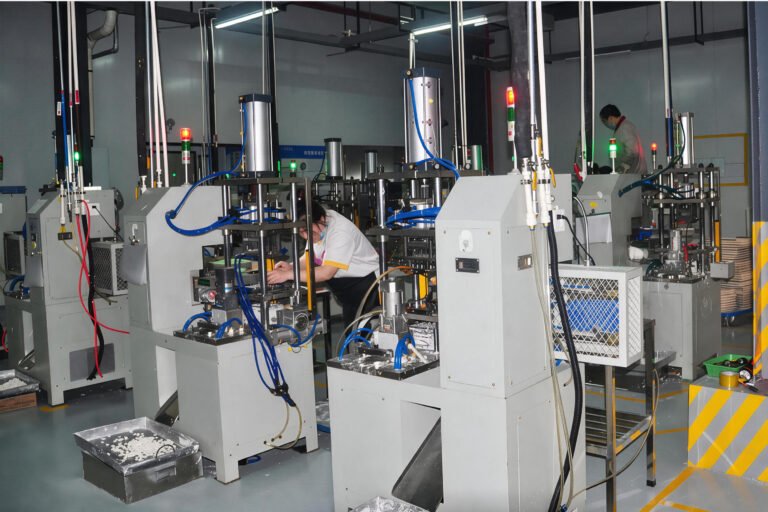
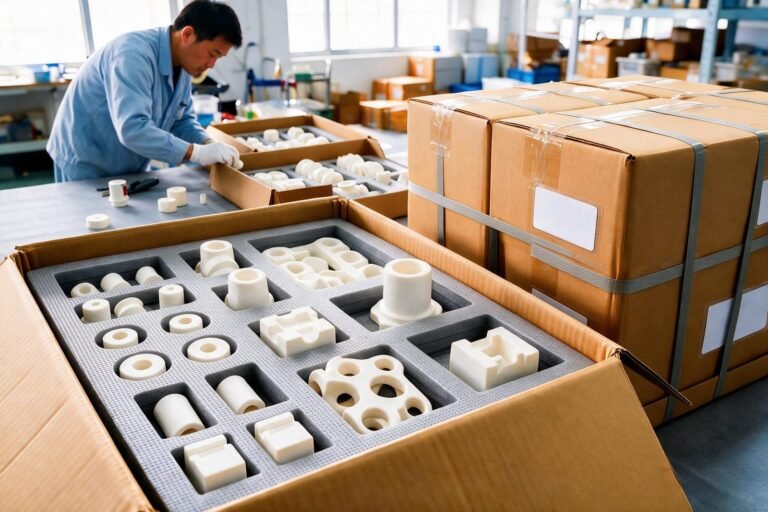
A prototype proves the design. A production order proves the process. Those are separate achievements.
Keeping batches identical
Ceramic parts rarely fail because one is wrong. They fail because batch two is subtly different from batch one.
- Same material grade and supplier lot where it matters
- Same grinding sequence and fixturing concept
- Same datum scheme and inspection method
- Documented change control before any process adjustment
- Retained first-article record for comparison
What is verified at each stage
The inspection plan is not the same at every stage. What is checked in full on a prototype is sampled in production, and the difference is agreed with the quotation rather than discovered at delivery.
| Stage | What is verified | Record issued |
|---|---|---|
| Prototype | Every dimension the drawing marks as functional, plus the form and fit this stage exists to prove | First article inspection report |
| Pilot batch | The first part of the batch in full, then the dimensions the process is most likely to drift on | Report against the pilot, with the sampling plan stated |
| Production | Critical dimensions may be specified for 100 percent inspection, while general dimensions may be sampled according to the agreed inspection plan | Dimensional report with the shipment |
| After a process change | The dimensions that change could affect, before the batch continues | Revision note, with the affected dimensions re-reported |
| After a drawing revision | The new and the changed callouts, compared against the retained first-article record | Updated first article inspection report |
Confirmed capability figures
Figures below are the capability the shop is measured on. They are feature-specific, not a general tolerance.
Capabilities depend on material, geometry, feature size and finishing requirements. Critical dimensions are reviewed against the drawing.
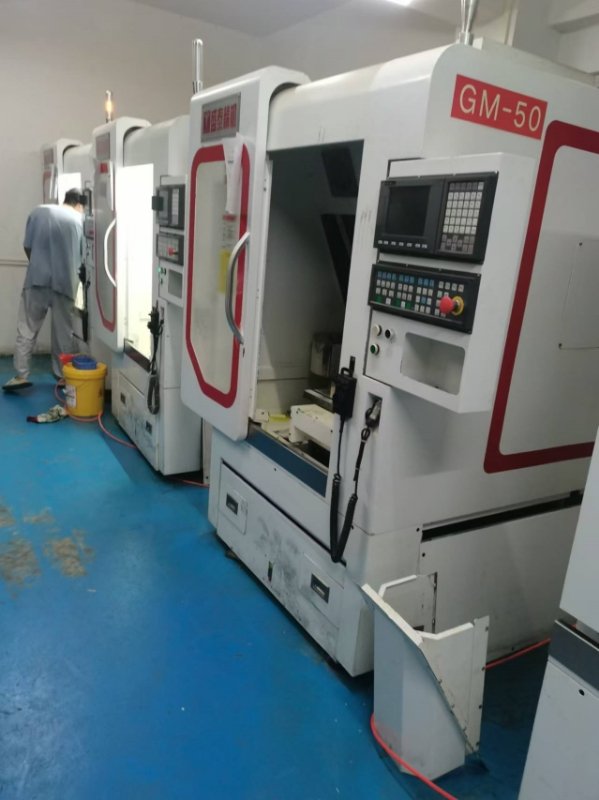
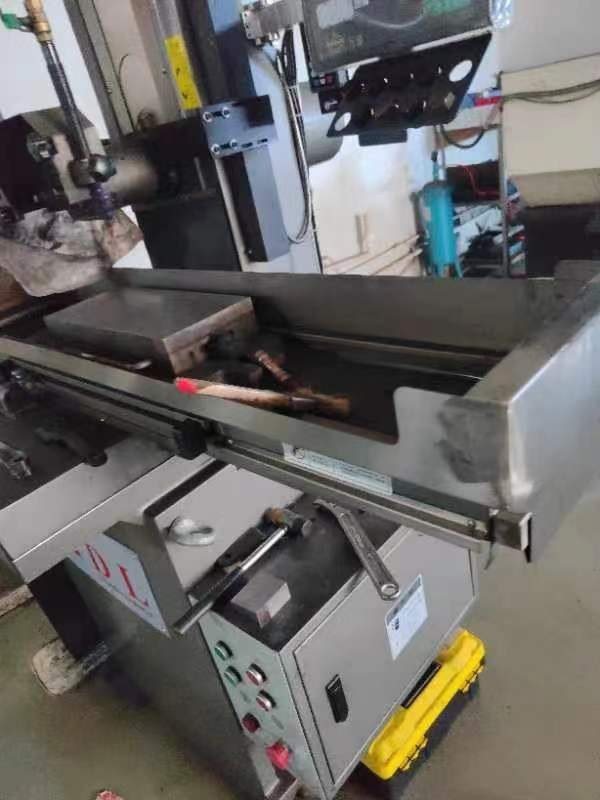
Where the work is done
Frequently asked
Can I order a single prototype part?
Yes. Prototype quantity is one part if that is what the project needs. It is quoted separately from production because the manufacturing route and fixturing differ.
What is the lead time?
Typical lead time: 7-10 working days for prototypes, 2-3 weeks for small batches, 4-6 weeks for mass production. Final delivery date is subject to order confirmation. We also give a written date with every quotation, so the range above is a planning figure and not the commitment.
Do you supply a first article inspection report?
Yes, when requested on the purchase order. FAI is planned into the inspection stage rather than produced afterwards.
What if the prototype reveals a design problem?
Send the finding back with the drawing revision. Design changes are normal before production and are much less expensive at that point than after tooling and process parameters are fixed.
Send us the drawing and the requirement
We review manufacturability, tolerance and inspection method before quoting.