Industry
Energy Equipment: Custom Ceramic Components
Components for pumps, valves, insulation and sensor hardware in power generation, oil and gas, and process energy systems.
Direct answer
What ceramic components does this industry use?
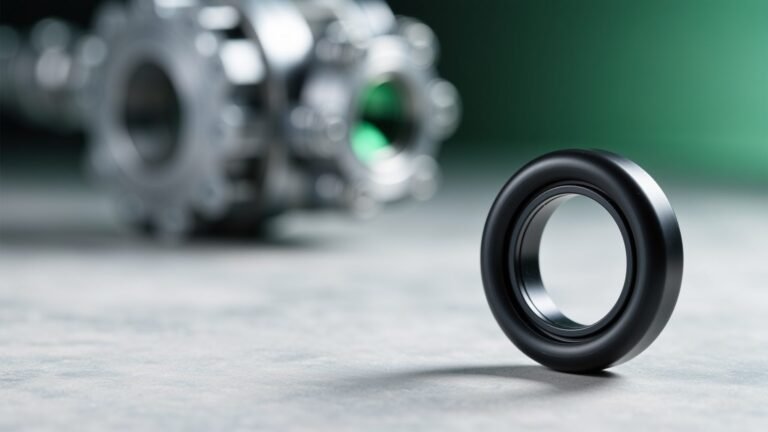
Energy equipment uses ceramic components where corrosion, abrasion and temperature combine: plungers, sleeves and seats in pumps, trim parts and seats in valves, protection tubes and sheaths for sensors, insulating bodies, and wear rings and liners. Alumina is the economical corrosion-resistant standard; silicon carbide answers abrasive, erosive and high-temperature service; zirconia carries impact; silicon nitride takes thermal cycling with mechanical load. The medium, the abrasive content and the cycling profile decide the grade, and they are stated on the enquiry rather than inferred from the equipment type.
Where the parts sit, and what each one does
Each row ties an equipment class to the ceramic component used in it, the function the part performs, the candidate material, the feature that carries the risk and how that feature is verified. Materials named here are the ones described under material selection below.
| Equipment | Ceramic component | Function | Candidate material | Critical feature | Inspection |
|---|---|---|---|---|---|
| Pumps and compressors | Plungers, sleeves, seats, wear rings | Corrosion and wear resistance in the process stream | Alumina (Al2O3); silicon carbide (SiC) for abrasive media | Diameter and roundness; running-face finish | Diameter and roundness measurement; surface roughness on sealing faces |
| Valves and flow control | Trim parts, seats, insulating components | Erosion resistance keeps the flow characteristic stable | Silicon carbide (SiC); zirconia (ZrO2) under impact | Flatness and parallelism on seats | Flatness and parallelism on seats |
| Sensors and instrumentation | Protection tubes, insulating bodies, mounting parts | Insulation that holds at temperature | Alumina (Al2O3); aluminum nitride (AlN) where heat is also removed | Bore straightness and wall uniformity | Straightness verification on long tubes; wall thickness |
| Power generation hardware | High-temperature and insulating structural parts | Strength held at temperature | Silicon nitride (Si3N4) for cycling with load; silicon carbide (SiC) | Flatness on large components; wall thickness | Flatness and parallelism; dimensional verification |
| Process and effluent systems | Corrosion-resistant wear components | Wear and corrosion answered by one material | Silicon carbide (SiC); alumina (Al2O3) where the medium is milder | Surface finish on sealing and sliding faces | Surface roughness; material certificate confirming grade and density |
What these parts are judged on
Each row ties one feature to why it matters in service, where it is at risk during manufacture, and how it is measured. The inspection plan is agreed before machining, because a ground ceramic dimension cannot be corrected afterwards.
| Feature | Why it matters | Manufacturing risk | Inspection method |
|---|---|---|---|
| Medium and abrasive content | The material that answers corrosion is not necessarily the one that answers abrasion | Choosing on equipment type instead of the stated medium | Stated on the enquiry; the grade is confirmed against it |
| Thermal cycling | It breaks parts that survive steady heat | Cycling quoted separately from the steady temperature | Stated on the enquiry; reviewed at engineering review |
| Bore straightness and wall uniformity on tubes | Protection tubes are judged on them | Long components test straightness and handling limits | Straightness verification on long tubes; wall thickness |
| Flatness and finish on seats and sealing faces | Leak rate follows from them | Large components test flatness limits | Flatness and parallelism on seats; surface roughness on sealing faces |
| Inspection criterion for field replacement | The part has to be inspected against a clear criterion, not a visual approval | Vague criteria disagree at the replacement decision | Dimensional verification including wall thickness; criterion agreed before the order |
What the process demands of the material
The conditions below act on the part in service. Each one narrows the material or the geometry, and stating them is what turns the material choice into an engineering decision rather than a preference.
Chemical exposure
The medium decides the grade, and it is stated on the enquiry rather than inferred from the equipment type.
Abrasion
Suspended solids in a process stream wear a metal part out on a maintenance cycle.
Temperature
Steady heat is usually tolerable. Thermal cycling is what breaks a part, so the two are quoted separately.
Pressure differential
Pressure decides section thickness, which in turn decides how the part can be held and ground.
Sealing faces
Leak rate follows from flatness and finish, so those are the controlled dimensions on a sealing part.
Qualification records
Material and inspection records are agreed before the order, because they are part of the qualification rather than a paperwork afterthought.
Which materials suit this industry, and the limits
The material is chosen from the dominant requirement. Where two requirements conflict, the trade-off is explained before quoting rather than resolved silently.
| Material | Why it is chosen here |
|---|---|
| Alumina (Al2O3) | Corrosion-resistant and insulating components at moderate cost |
| Silicon carbide (SiC) | Abrasive, erosive and high-temperature service |
| Zirconia (ZrO2) | Wear components under impact and high load |
| Silicon nitride (Si3N4) | Thermal cycling with mechanical load |
| Aluminum nitride (AlN) | Sensor insulation where heat is also removed |
What is controlled and how it is verified
Dimensions and inspection method are agreed before machining, because ceramic cannot be reworked the way metal can.
Dimensions that usually matter
- Bore diameter and wall thickness on protection tubes
- Flatness and parallelism on seats and wear faces
- Diameter and roundness on plungers and sleeves
- Surface finish on sealing and sliding faces
- Length and straightness on long components
Inspection applied
- Dimensional verification including wall thickness
- Straightness verification on long tubes
- Surface roughness on sealing faces
- Flatness and parallelism on seats
- Material certificate confirming grade and density
Parts made here, on our own equipment
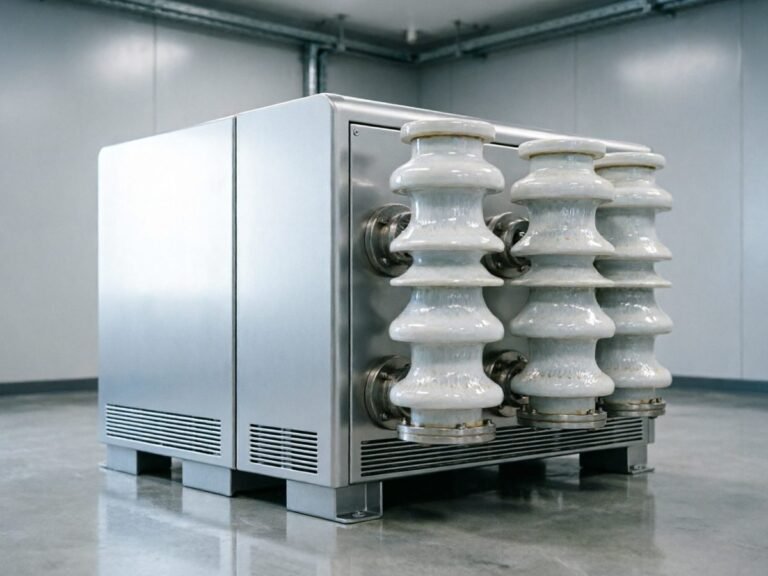
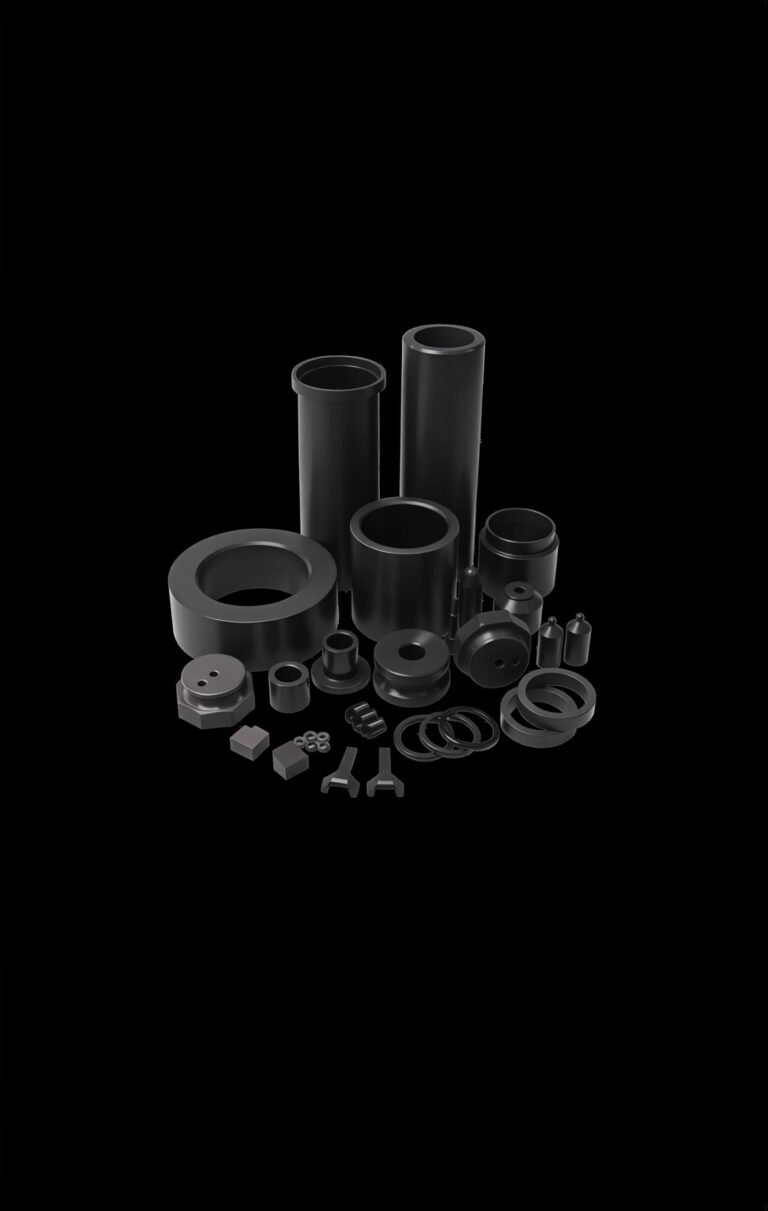
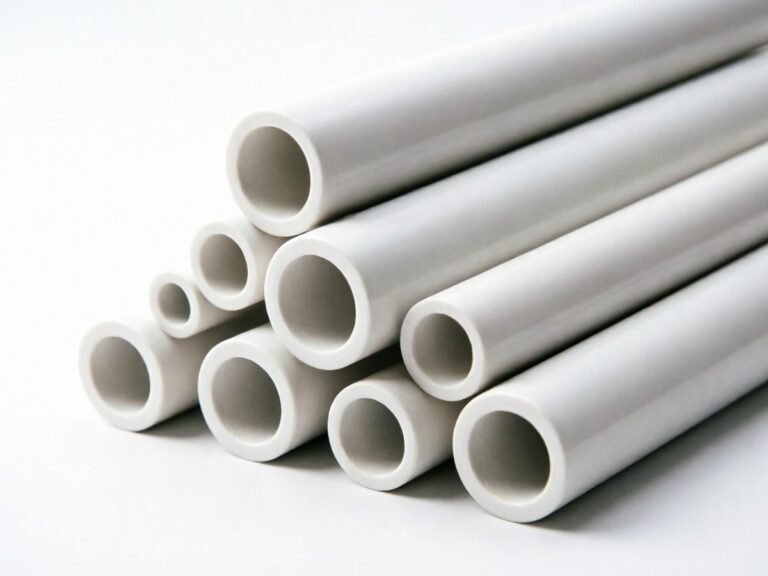
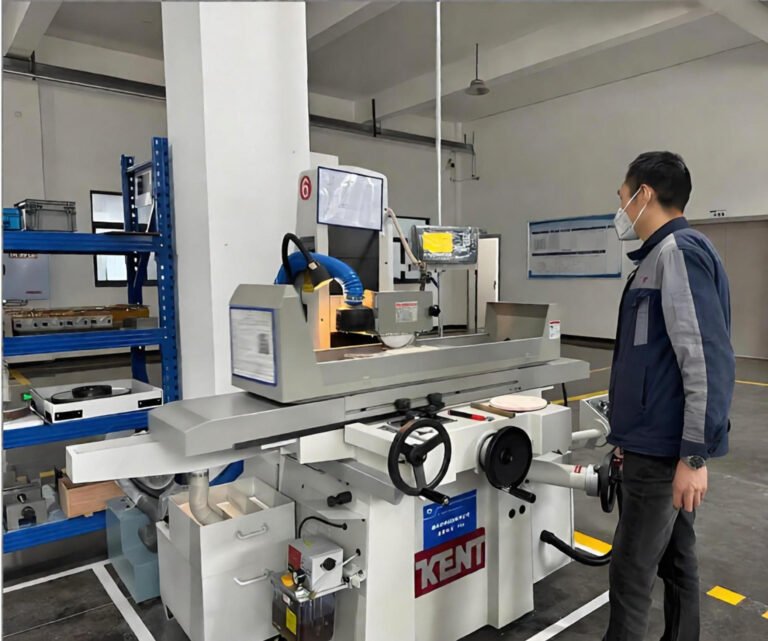
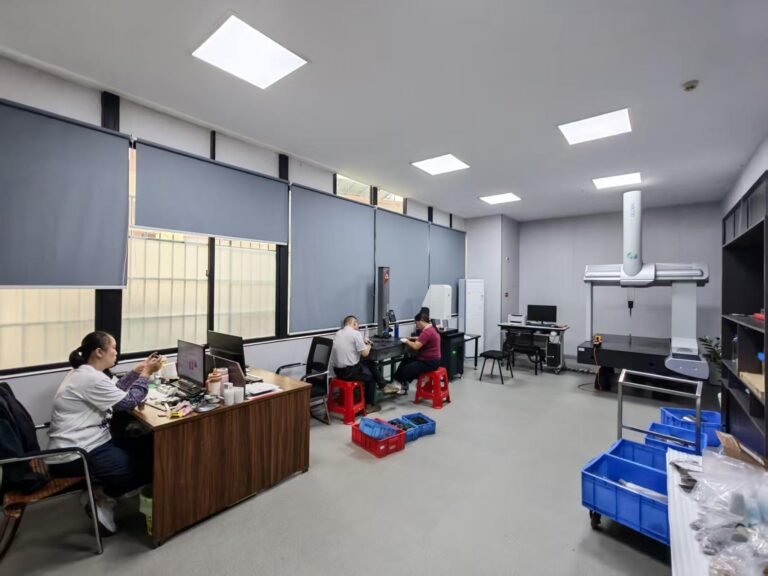
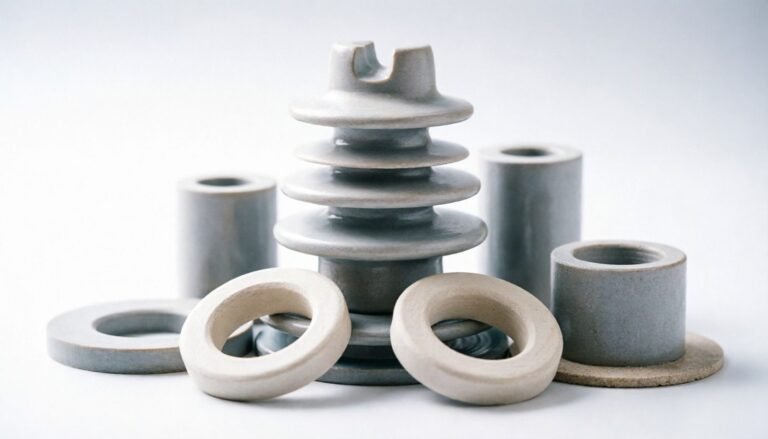
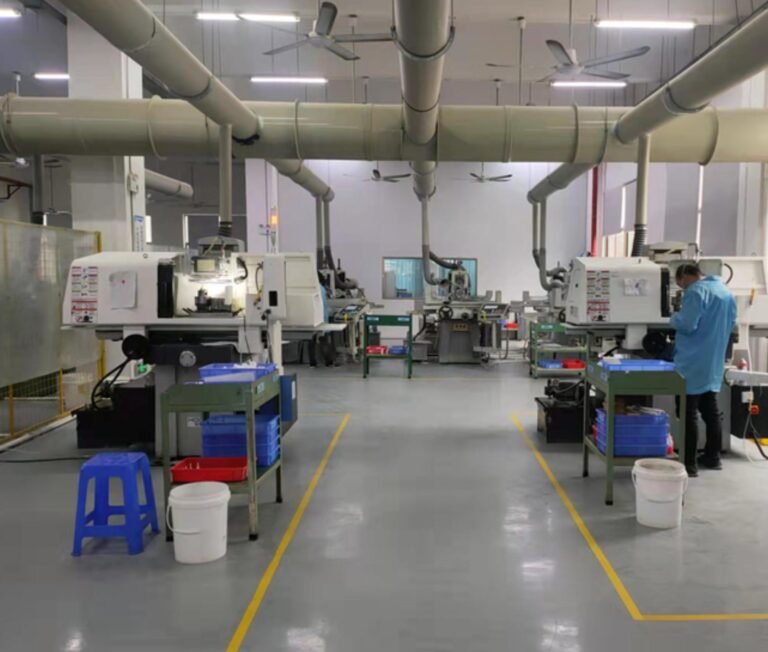
Component photographs are of parts produced in this factory. Equipment photographs are of this plant. No stock photography of facilities we do not own appears on this site.
What to send with a drawing
The review confirms material, route and inspection method from these inputs. Sending them with the drawing is what makes the first quotation accurate.
- Drawing or 3D model with seat, bore and sealing geometry defined
- Material or grade if already specified; otherwise the medium, the abrasive content, and the temperature and cycling profile
- Critical dimensions: wall thickness, bore straightness, seat flatness and finish
- Quantity at each stage: evaluation, pilot and production
- Replacement interval and the criterion the part is inspected against
- Inspection and documentation needs: dimensional report, material certificate confirming grade and density
The part and the process
Frequently asked
Which ceramic for pump components?
Alumina for general corrosive and moderate wear service. Silicon carbide where the medium is abrasive as well as corrosive. Zirconia where the component sees impact.
Can ceramic protection tubes be made in long lengths?
Yes, within the straightness and wall-thickness limits of the grinding process. The practical length depends on the bore diameter, which is reviewed from the drawing.
How do I specify a part that sees both wear and corrosion?
State both the medium and the abrasive content. The material that answers one of those is not necessarily the material that answers both.
Send a drawing for this industry
State the equipment, the operating conditions and the quantities. The review confirms material and route before quoting. Initial engineering feedback is returned within 2 business hours during published business hours (Mon-Fri 9:00-18:00 GMT+8), excluding Chinese statutory holidays and company-announced non-working days; this is initial feedback on the drawing, not completion of a formal quotation or a full engineering review.