
Engineering solution
Lightweight Structural: Ceramic Components for the Requirement
Stiffness and mass reduction where a dense alloy is no longer acceptable, or where the part has to be both light and dimensionally stable.
The engineering problem
What is actually failing
The mass of a moving component limits the performance of the system, or a dense part causes balance and inertia problems. At the same time the part still has to carry load and hold its dimensions.
What the part has to deliver
These are the parameters that decide the material. Not all of them matter equally, which is why the dominant one is identified first.
| Requirement | What it governs |
|---|---|
| Specific stiffness | Stiffness per unit mass, which is where ceramic outperforms metal |
| Load case | Static, cyclic or impact, since the three lead to different materials |
| Mass target | Stated as a number, so the section can be designed against it |
| Dimensional stability | Held over temperature and time |
| Mounting interface | How the ceramic part joins the rest of the assembly |
Options and the reason behind each
Where two requirements conflict, the trade-off is explained before quoting rather than after.
| Material | Why it is chosen here |
|---|---|
| Silicon nitride (Si3N4) | The structural ceramic of choice for cyclic and impact loads; high strength with low density |
| Silicon carbide (SiC) | Very high stiffness where the load is primarily compressive or the temperature is high |
| Zirconia (ZrO2) | Highest strength with the ductility needed to tolerate impact; density is higher than the other structural options |
| Alumina (Al2O3) | Economical structural option where the load is moderate |
What the choice costs in production
These are the constraints that turn a material decision into a manufacturing route, and sometimes into a design change.
- Thin walls reduce mass but are harder to machine and more prone to chipping, so the section is reviewed against the support available during machining
- Joint design matters more than in metal: ceramic does not yield, so load has to be spread over an area rather than concentrated
- Sharp section changes and small radii create stress raisers in a material with no plastic deformation
- Grinding sequences are planned to keep the part supported for as long as possible
- Surface defects behave as crack initiators under cyclic load, so surface finish is a functional callout
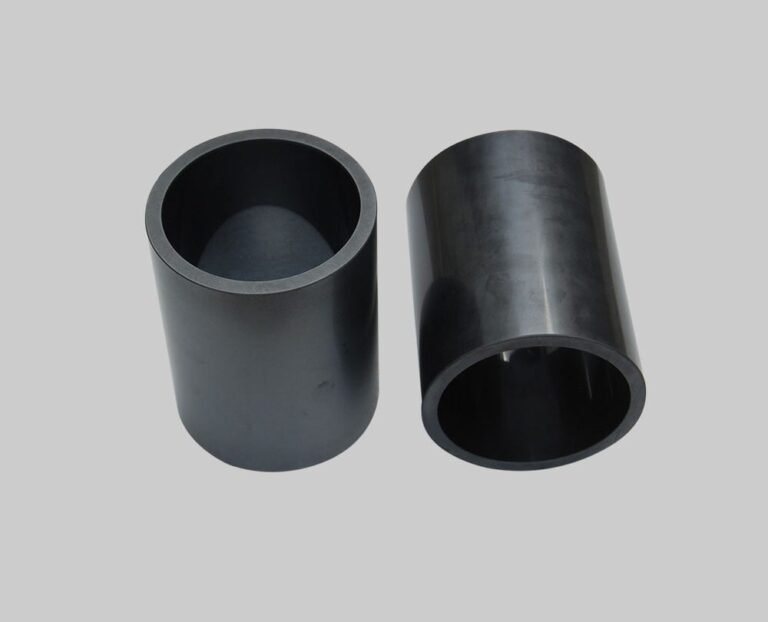
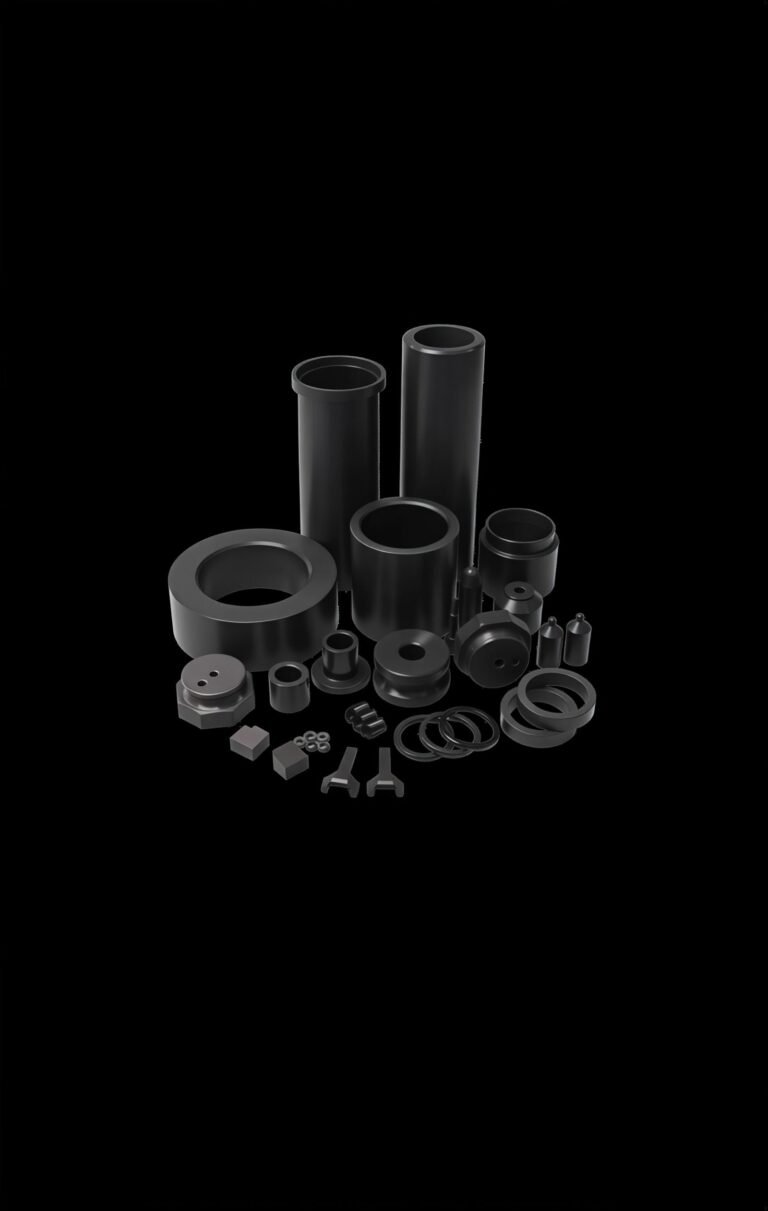
Capabilities depend on material, geometry, feature size and finishing requirements. Critical dimensions are reviewed against the drawing.
Where this solution is applied
Indicative component types. No customer names are published, and no application is described that we have not made.
Lightweight moving parts in production machinery
Structural spacers and load-bearing insulating parts
Rotating components where inertia limits performance
Wear-resistant structural parts under cycling load
Precision support elements requiring thermal stability
How the result is verified
The inspection plan is agreed before machining, since ceramic cannot be reworked the way metal can.
- Dimensional verification of load-bearing sections
- Flatness and parallelism at the mounting interface
- Surface inspection for cracks, since ceramic does not deform before failing
- Wall thickness verification on thin sections
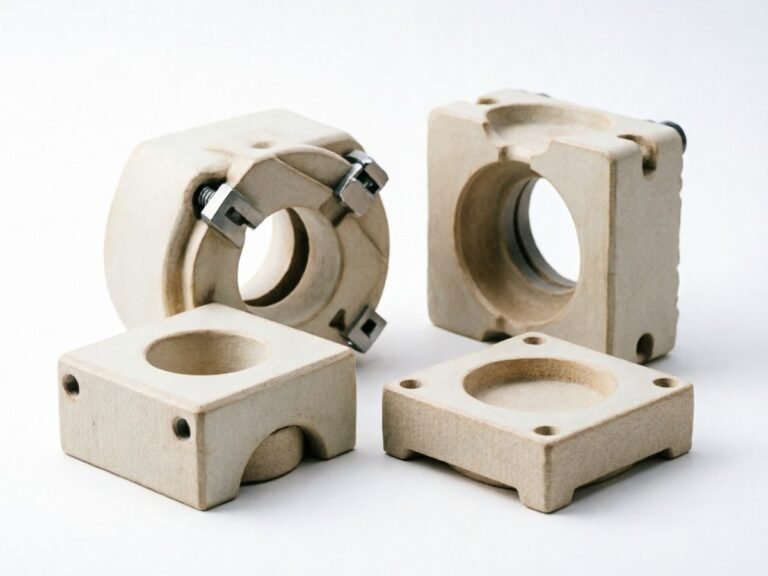
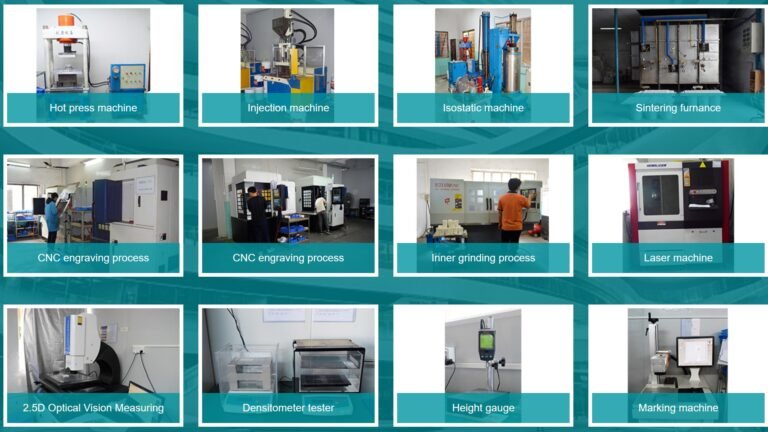
The part and the process
Frequently asked
Describe the problem and send the drawing
The requirement decides the material. Give the conditions and the review will state which material and route apply, and why.