
Component family
Ceramic Tubes and Sleeves
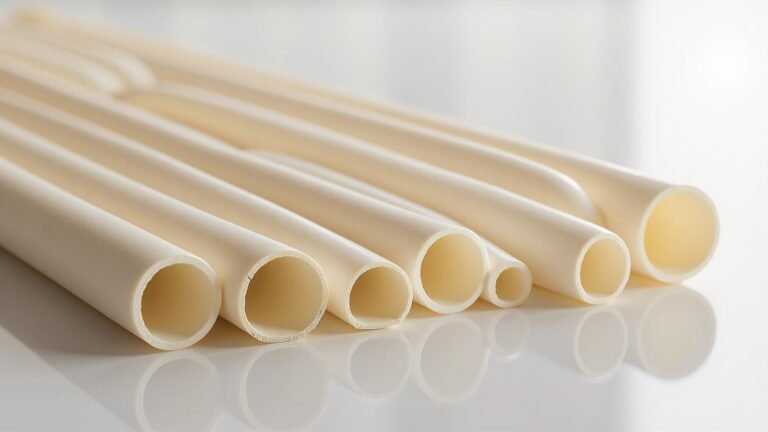
Tubes, sleeves, liners and spacers in ceramic, used for electrical isolation, thermal protection and wear lining in process equipment.
- Through and stepped bores
- Slots, windows and flanges
- Closed-end protection tubes
- Straightness over the full length
A ceramic tube or sleeve is a hollow cylindrical component machined from sintered technical ceramic, with a ground bore and a ground outside diameter. The duty is usually one of four: electrical isolation, thermal protection of a sensor or an element, wear lining in a flow, or chemical resistance in an aggressive medium. Which ceramic suits the part depends on which of those four dominates, and every material claim on this page is tied to that duty. The engineering difficulty is holding a straight, concentric bore over a length in a brittle material.
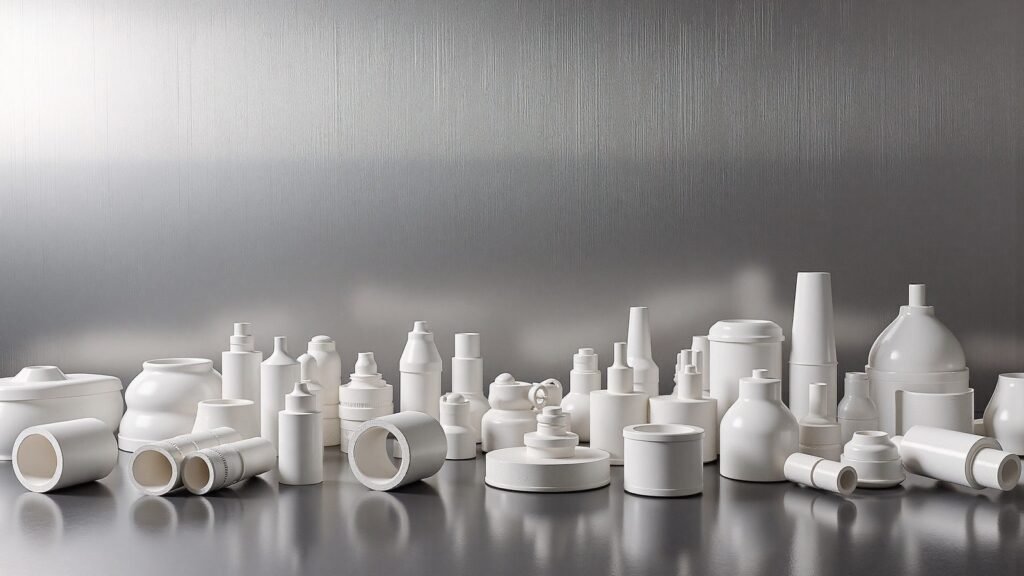
Machined ceramic tubes and sleeves in alumina, silicon nitride, silicon carbide, aluminum nitride and boron nitride — bores, walls and end faces finished to the drawing.
Critical features
What this geometry is judged on
Each row ties one feature to why it matters, where it is at risk in manufacture, and how it is verified. The confirmed figures for these features sit further down the page, tied to the feature they were measured on.
Through and stepped bores
Ground on the bore, which is usually the tightest dimension on the part.
Wall thickness
Thin walls are where straightness and roundness are hardest to hold.
Closed-end tubes
Formed closed rather than assembled, so there is no joint to seal or to leak.
Slots and windows
Finished after firing so the opening keeps its edge and its position.
Flanges and shoulders
Ground square to the bore axis.
Length and end squareness
Both ends finished, so the tube stands square in the assembly rather than being shimmed.
| Feature | Why it matters | Manufacturing risk | Inspection method |
|---|---|---|---|
| Bore diameter and taper | Carries the pin, element or flow | Boring a long tube without taper or drift | Internal micrometer or bore gauge at several depths |
| Wall thickness concentricity | Uniform wall is the insulation and the strength | Holding wall thickness concentric with the bore | Ball micrometer or ultrasonic spot checks |
| Straightness over the full length | The tube seats and seals square at both ends | Controlling straightness in a brittle part | Straight edge with indicator, or rotation between centres |
| Slot width and position | Openings carry windows, sensors or media | Slotting a thin wall without cracking it | Optical or video measurement of width and position |
| End-face squareness | Seats without shimming | Finishing both ends after firing | Surface plate with indicator sweep |
Possible ceramic materials
Material options and the reason behind each
The material is chosen from the dominant requirement. Where two requirements conflict, the trade-off is explained before quoting.
Thermal shock resistance where the tube is cycled rapidly
Silicon nitride page →Process routes
How these parts are actually made
The route is chosen from the geometry and the tolerance, not from the material alone. It is stated with the quotation so the price can be read against the method.
Internal grinding and honing
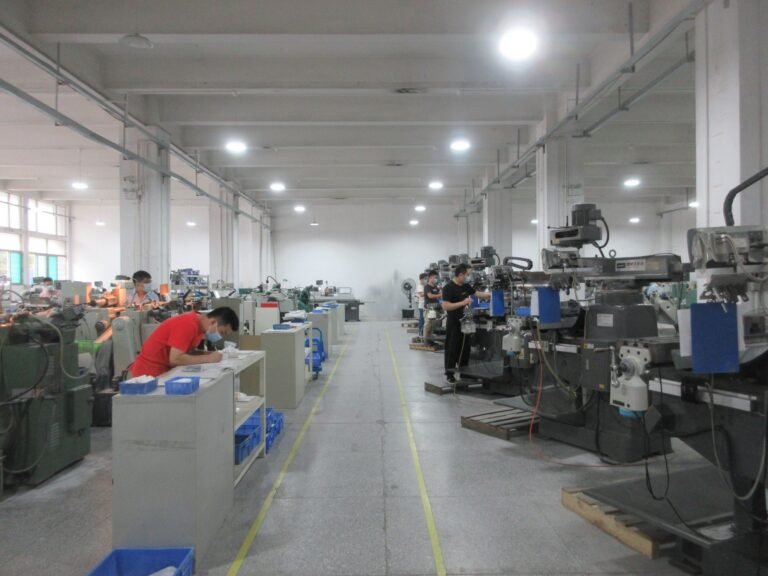
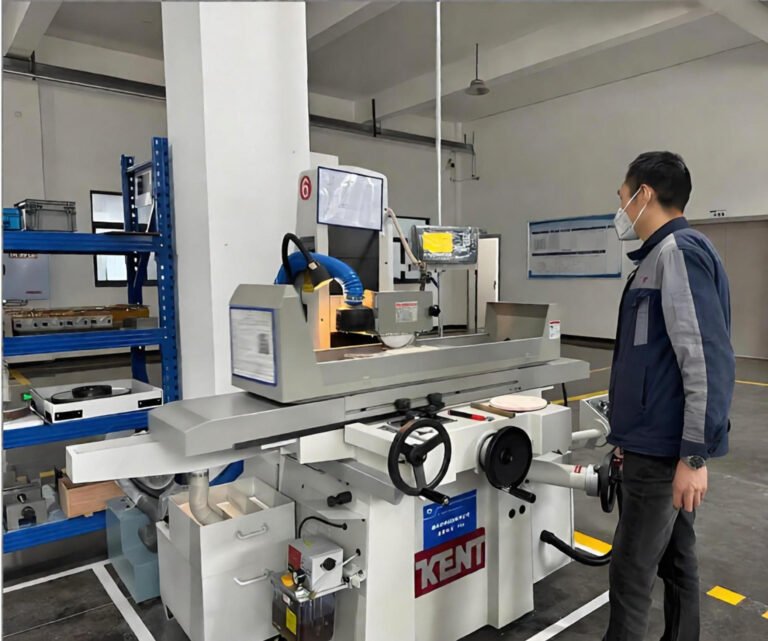
Bore diameter and straightness are produced by internal grinding, and long small bores are where the achievable tolerance is established.
Centreless grinding
Used for long thin sleeves where grinding between centres would deflect the part.
Wall thickness control
Wall thickness and eccentricity are inspected as separately toleranced features on thin-walled tubes.
Where the difficulty sits
- Boring a long tube without taper or drift
- Holding wall thickness concentric with the bore
- Machining slots in a thin-wall tube without cracking it
- Controlling straightness over the full length
- Protecting the bore surface during handling and packing
LimitBrittle material fails differently from metal. A feature that is merely difficult in steel can be impossible in ceramic, and the review states which of the two applies.
Confirmed capability
Customizable geometry and precision capability
Everything below is produced from the customer drawing. The figures are what the shop is confirmed to hold on the features this family carries, not a general tolerance for the whole part.
| Feature | Confirmed | Applies to |
|---|---|---|
| Hole diameter tolerance | 0.003 mm | Ground bores, including long small bores |
| Roundness | 0.0005 mm | Bore and outside diameter along the tube |
| Parallelism | 0.002 mm | End faces against the bore axis |
| Surface roughness | Ra 0.02 µm | Bores and faces where a seal or a shaft runs |
| Minimum slot width | 0.2 mm | Slots and windows cut in tube walls |
Capabilities depend on material, geometry, feature size and finishing requirements. Critical dimensions are reviewed against the drawing.
| Measurement requirement | How it is verified |
|---|---|
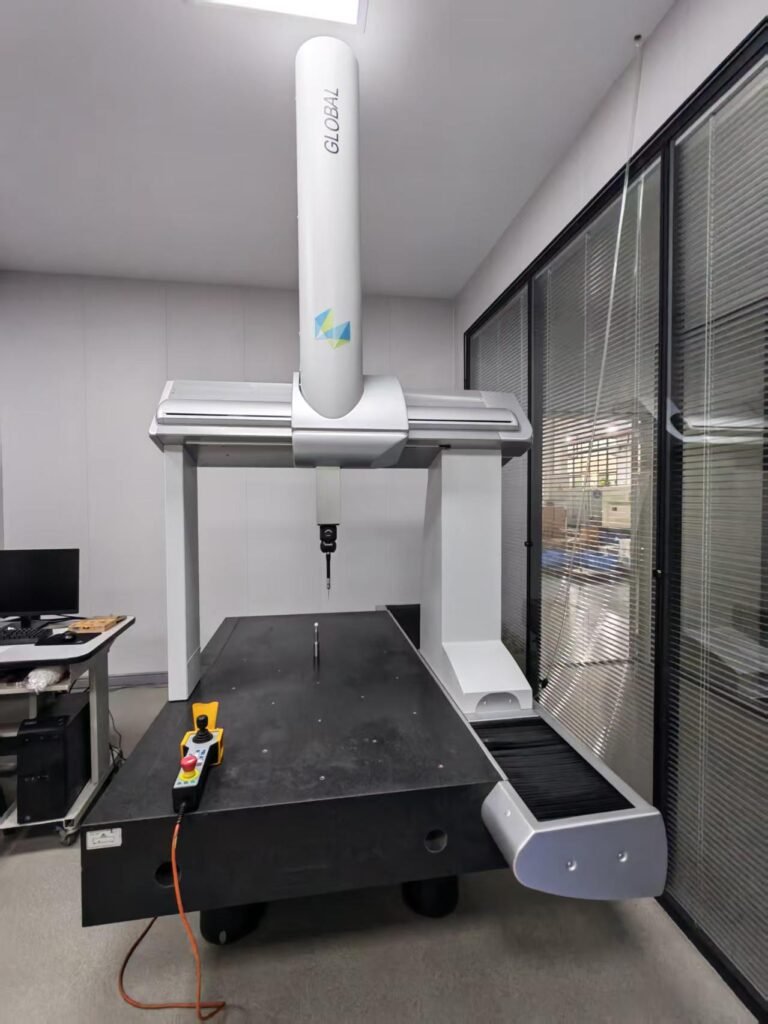
| Bore diameter tolerance and taper | Internal micrometer or bore gauge at several depths; two-point gauges are backed by a roundness check |
| Wall thickness and its concentricity | Ball micrometer or ultrasonic thickness at multiple positions around the circumference |
| Straightness over the full length | Straight edge with indicator or rotation between centres; support spacing accounts for gravity sag |
| Concentricity between bore and outside diameter | Rotation on centres with the indicator on the outside diameter, or CMM in a single setup |
| Slot width and position where openings are present | Optical or video measurement after final cleaning, because slot edges chip in handling |
Procurement risks
What goes wrong, and where it is avoided
A thin-wall tube slotted after firing can crack at the slot ends; slot-end geometry is agreed before machining.
A closed-end tube has a length-to-bore limit; beyond it the bore cannot be finished and the design changes.
A bore specified smoother than the media requires adds cost without adding life; the medium belongs with the callout.
A tube measured for straightness only at the ends can bow mid-length; the measurement length should follow the mounting span.
Applications
Where the family is used
Component examples only. No customer names are published.
Semiconductor and analytical instrument parts
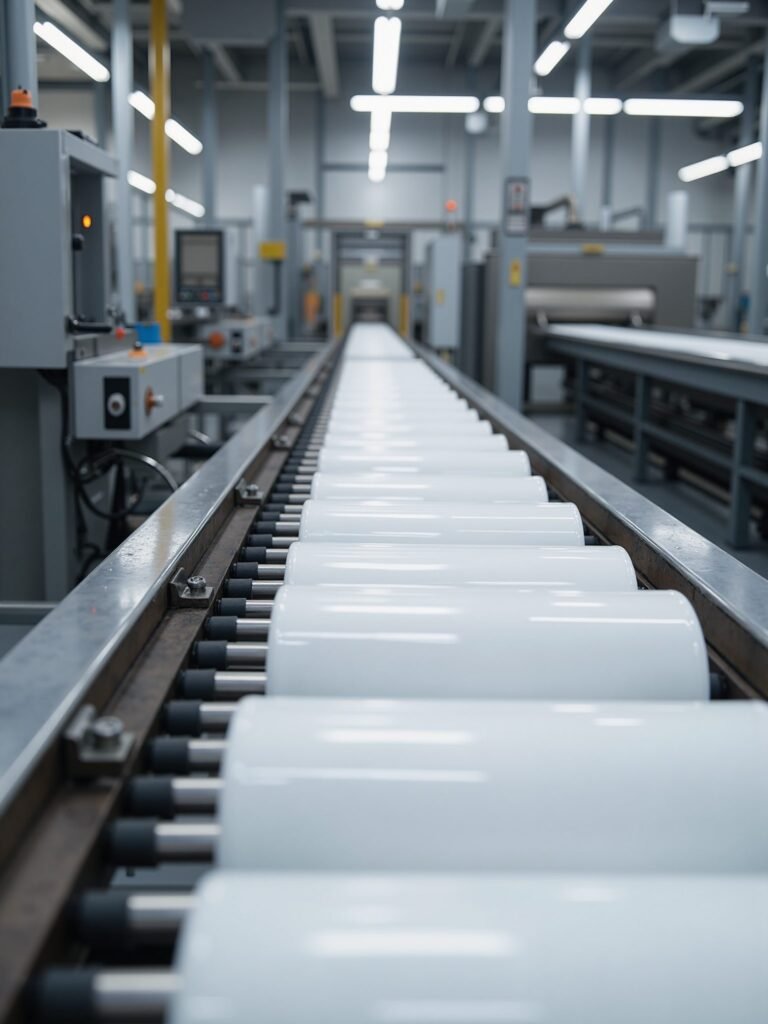
Wear liners in conveying and metering equipment
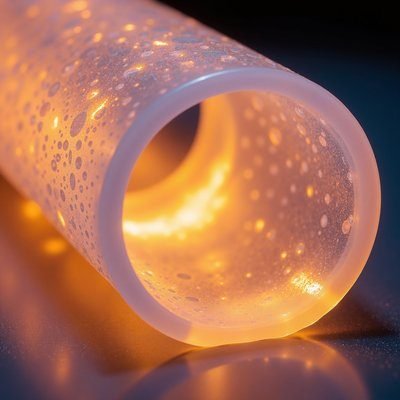
Furnace and kiln hardware
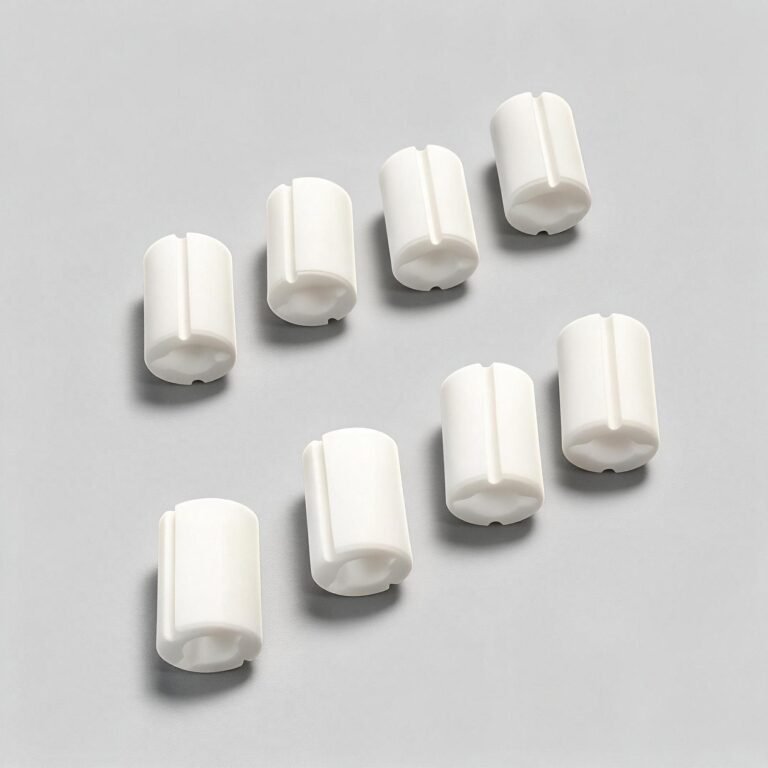
Capillary and metering tubes
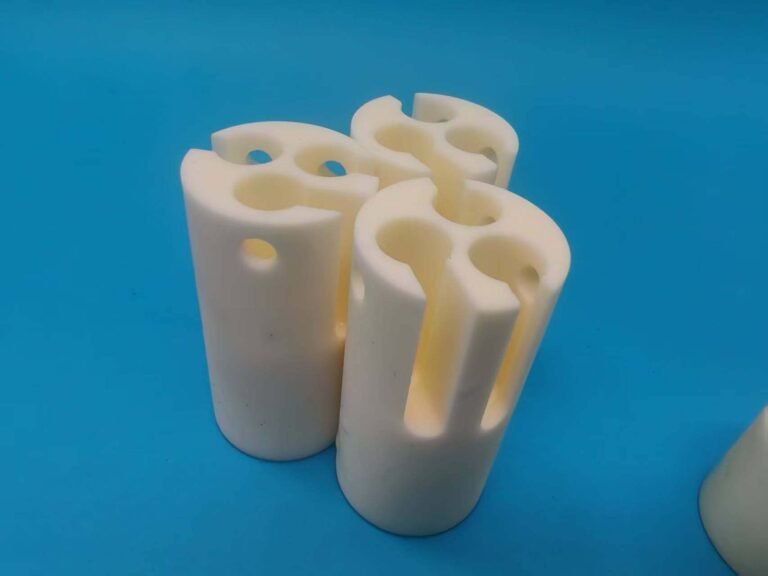
Electrical insulators and bushings
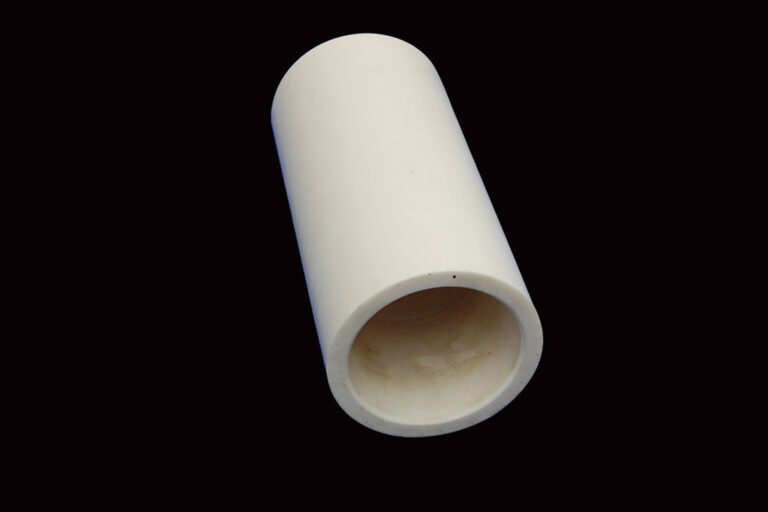
Liner tubes in abrasive or corrosive flow
- Thermocouple and sensor protection tubes
- Insulating sleeves and protection tubes
- Sleeves for induction and resistance heating elements
- Liner tubes in abrasive or corrosive flow
- Spacers, standoffs and distance tubes
Engineering FAQ
Frequently asked
What wall thickness can you produce?
Thin-wall ceramic tubes are produced down to sub-millimetre sections. The practical limit depends on the diameter, the length and whether the tube carries slots.
Can you produce a closed-end tube?
Yes. A closed-end protection tube is bored from the open end and the closed end is finished after firing. The length-to-bore ratio is the limiting factor.
Request a quote
Have a Ceramic Tube or Sleeve Drawing?
Geometry, material, quantity and the dimensions that matter. You get an engineering review before any price is given. Supplying the items below with the drawing removes the most common cause of a revised quotation.
- Section view with bore and wall thickness dimensions
- Straightness allowance over the stated length
- Slot and opening geometry with position tolerances
- Whether the bore surface finish is functional
- The duty that dominates: insulation, thermal protection, wear lining or chemical resistance
| Type | Form |
|---|---|
| Straight through-bores | and stepped bores |
| Closed-end protection tubes | one-end forms |
| Sleeves | with slots, windows or radial openings |
| Flanged and shouldered tubes | mounting forms |
| Thin-wall insulating sleeves | insulating and isolation duty |