
Materials
Six Engineering Ceramics,
One Selection Standard
Each material is selected against the one requirement that dominates the application – the trade-offs are stated on every material page.


The range
Six Core Ceramics, Selected by Requirement
Graded property data, limits and application evidence live on each material page.
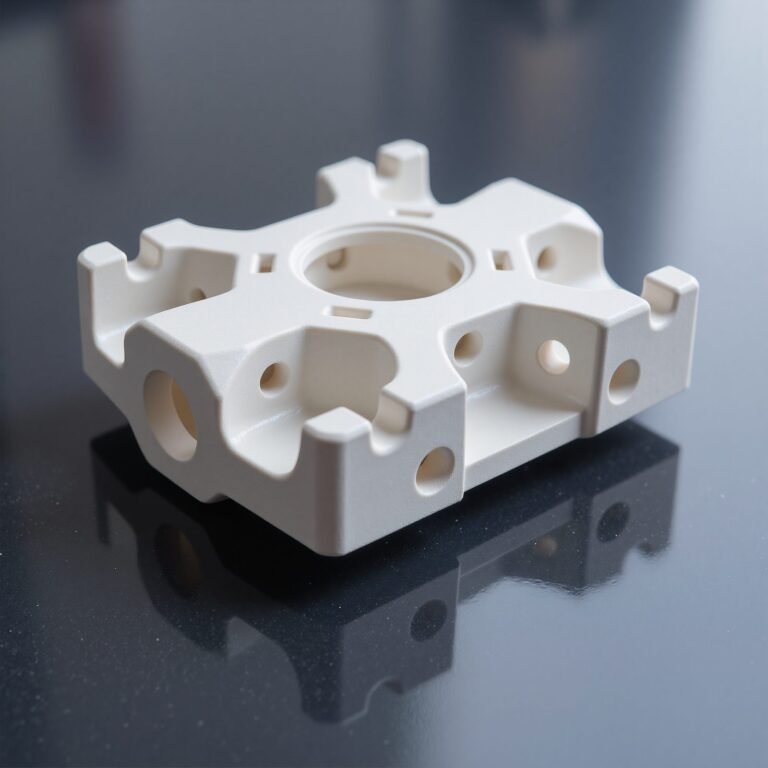
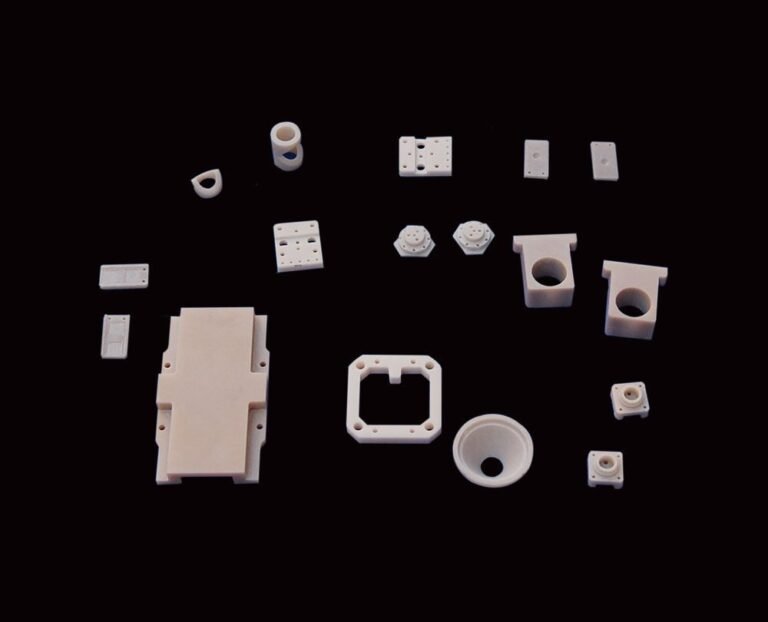
General wear, insulation and chemical resistance at economical cost.
View material ›High fracture toughness for selected wear and mechanical applications, depending on grade.
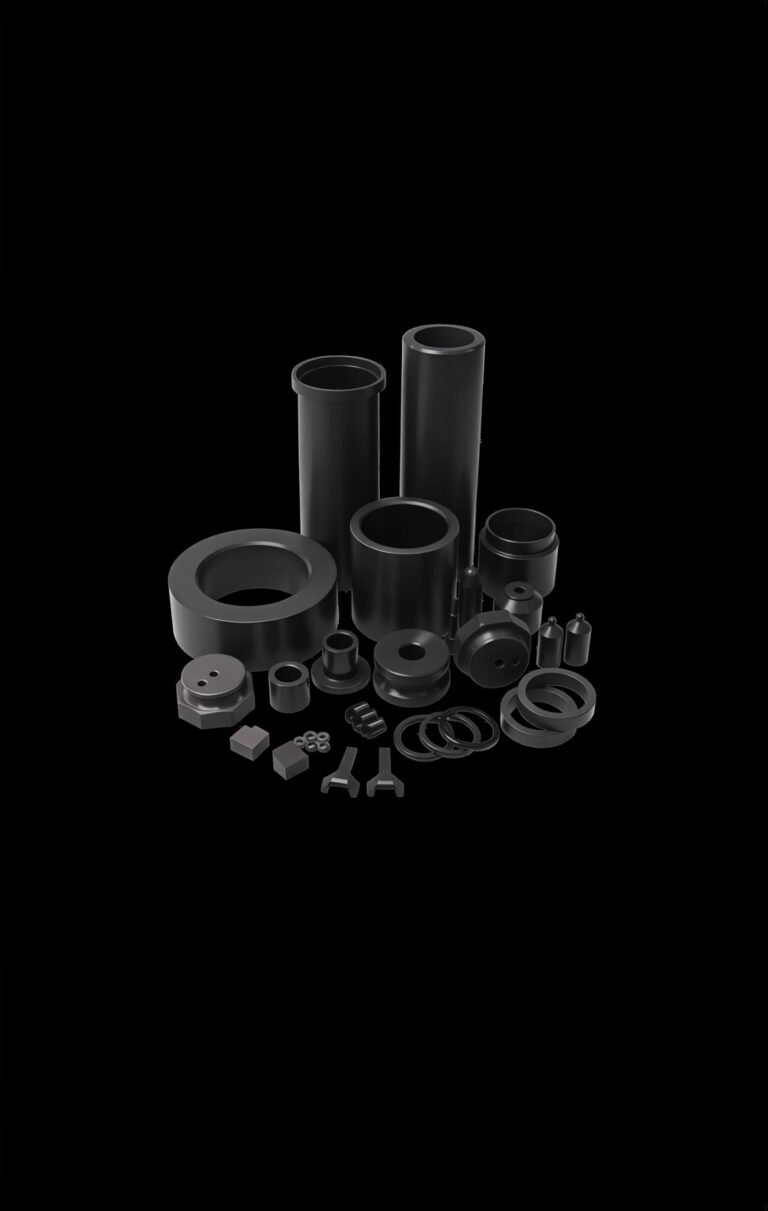
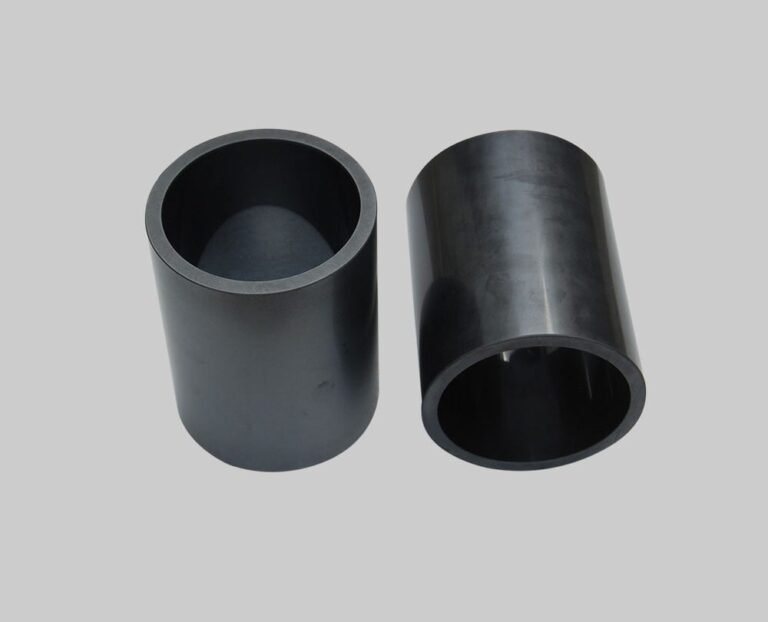
View material ›High hardness and wear resistance for demanding thermal and mechanical environments; suitability depends on grade and operating conditions.
View material ›Structural load and thermal cycling resistance.
View material ›Highest thermal conductivity of the range, with electrical isolation.
View material ›Non-wetting, machinable parts for high-temperature tooling.
View material ›Match the Requirement to the Material
A material is selected by the one requirement that dominates the application. Everything after that is a trade-off, stated on each material page.
General wear and electrical insulation call for alumina: chemical resistance at economical cost. Impact-loaded parts call for zirconia, the highest fracture toughness of the range. Abrasion at temperature calls for silicon carbide, the highest hardness of the range and thermal shock resistance. Structural load under thermal cycling calls for silicon nitride, combining high strength with toughness. Heat removal with electrical isolation calls for aluminum nitride, the highest thermal conductivity of the range. Machinable, non-wetting fixture parts call for boron nitride, which can be machined with conventional tooling. Where two requirements conflict, the review states which requirement the recommended material favours and what is sacrificed.
Where a drawing does not name a material, the selection is made during the engineering review: the review names the material that carries the dominant requirement, states the trade-off it accepts and the route it forces, and that recommendation comes with the quotation so the price can be read against it. Where the drawing already fixes a material and a grade, the review works to that and states what the fixed choice gives up elsewhere. Sending the drawing with the operating conditions – temperature, load, medium and cleanliness – is what makes the recommendation specific rather than generic.
Frequently asked
Not Sure Which Ceramic Fits the Drawing?
Send the drawing and the operating environment – the selection is part of the engineering review.